One-Pan Cheesy Meat & Potato Skillet: Comfort in 30 Minutes

One-Pan Cheesy Meat & Potato Skillet: Comfort from One Pan
Introduction
A one-pan cheesy meat and potato skillet brings three named components together in one recognizable dish: meat, potatoes, and cheese. The combination defines the character of the meal, while the skillet defines its format. Rather than separating the components into different preparations, this dish presents them as one comfort-food skillet built around a central trio.
The title places the emphasis on the skillet, the meat, the potatoes, and the cheese. Each part has a clear role in the identity of the dish. Meat gives the recipe its main savory component. Potatoes provide the second central component. Cheese completes the named combination and gives the skillet its cheesy description. Together, these elements form the complete dish identity.
The one-pan format is equally important. A skillet is not simply a serving word in this recipe. It is the setting that holds the meat, potatoes, and cheese together as a single preparation. The dish is therefore defined by both what it contains and how it is presented: a cheesy meat and potato meal centered in one pan.
This comfort-food skillet is straightforward in concept because its identity is concentrated in a small number of familiar names. Meat, potatoes, and cheese are not secondary details here. They are the central vocabulary of the recipe. The one-pan presentation keeps that vocabulary together and makes the dish recognizable from its name alone.
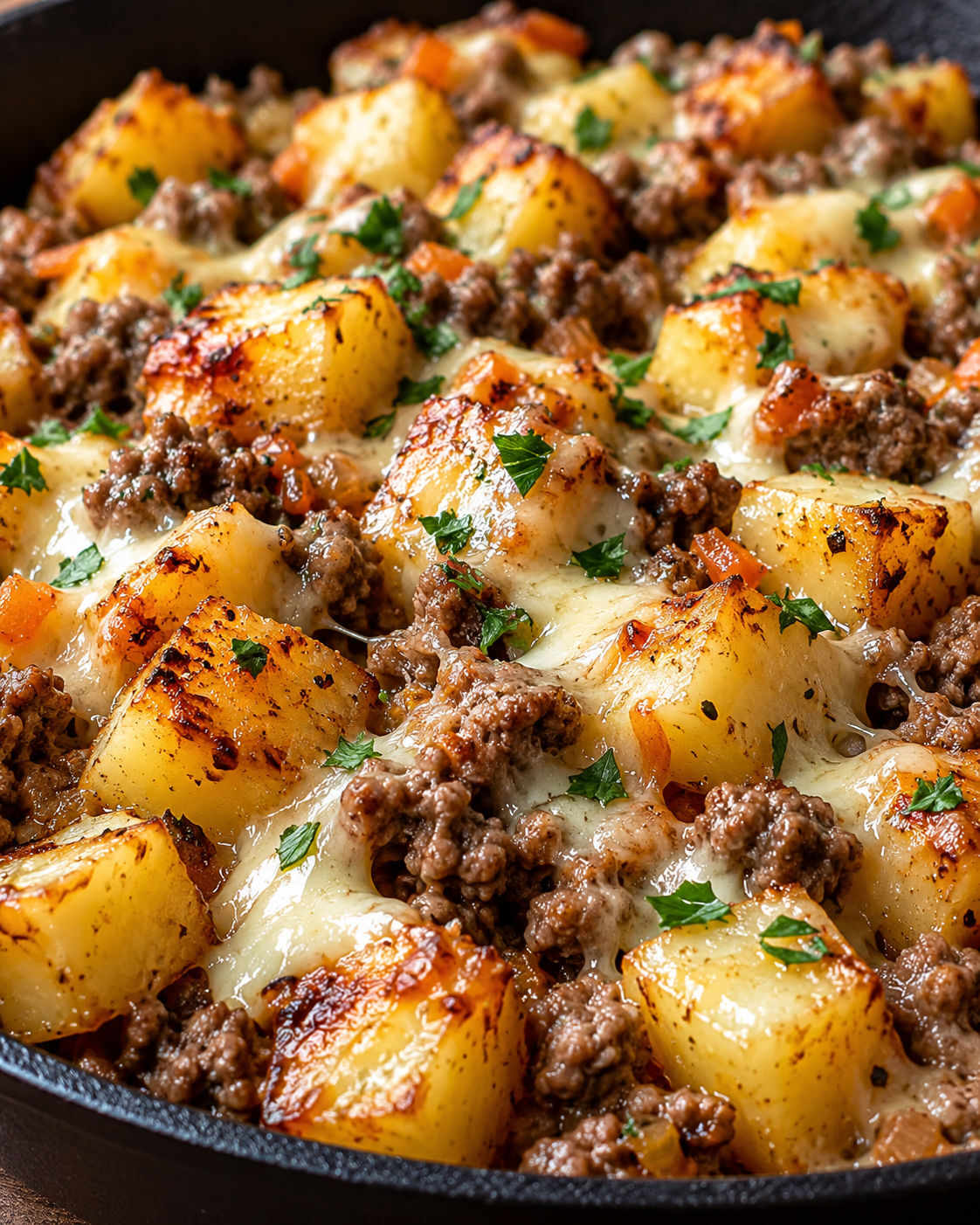
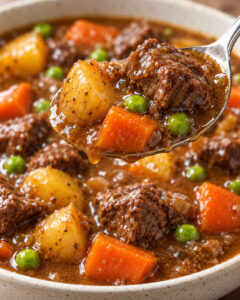
The finished skillet is represented by its visible core: meat, potatoes, cheese, and the skillet that contains them. Those elements are enough to identify the dish without adding another named component. The visual focus remains on the pan and the combination it presents.
A cheesy meat and potato skillet can be described from several angles without changing its identity. It is a meat dish because meat is one of its named components. It is a potato dish because potatoes are equally central. It is cheesy because cheese belongs to the defining combination. It is one-pan because the skillet is the established format. It is comfort food because that is the established character of the meal.
The same identity remains clear whether attention begins with the meat, the potatoes, the cheese, or the pan. Beginning with meat highlights the main named component. Beginning with potatoes highlights the paired foundation of the dish. Beginning with cheese highlights the quality that appears in the title. Beginning with the skillet highlights the one-pan structure. None of these views changes the recipe; each simply emphasizes a different part of the same complete description.
Ingredients
-
Meat
-
Potatoes
-
Cheese
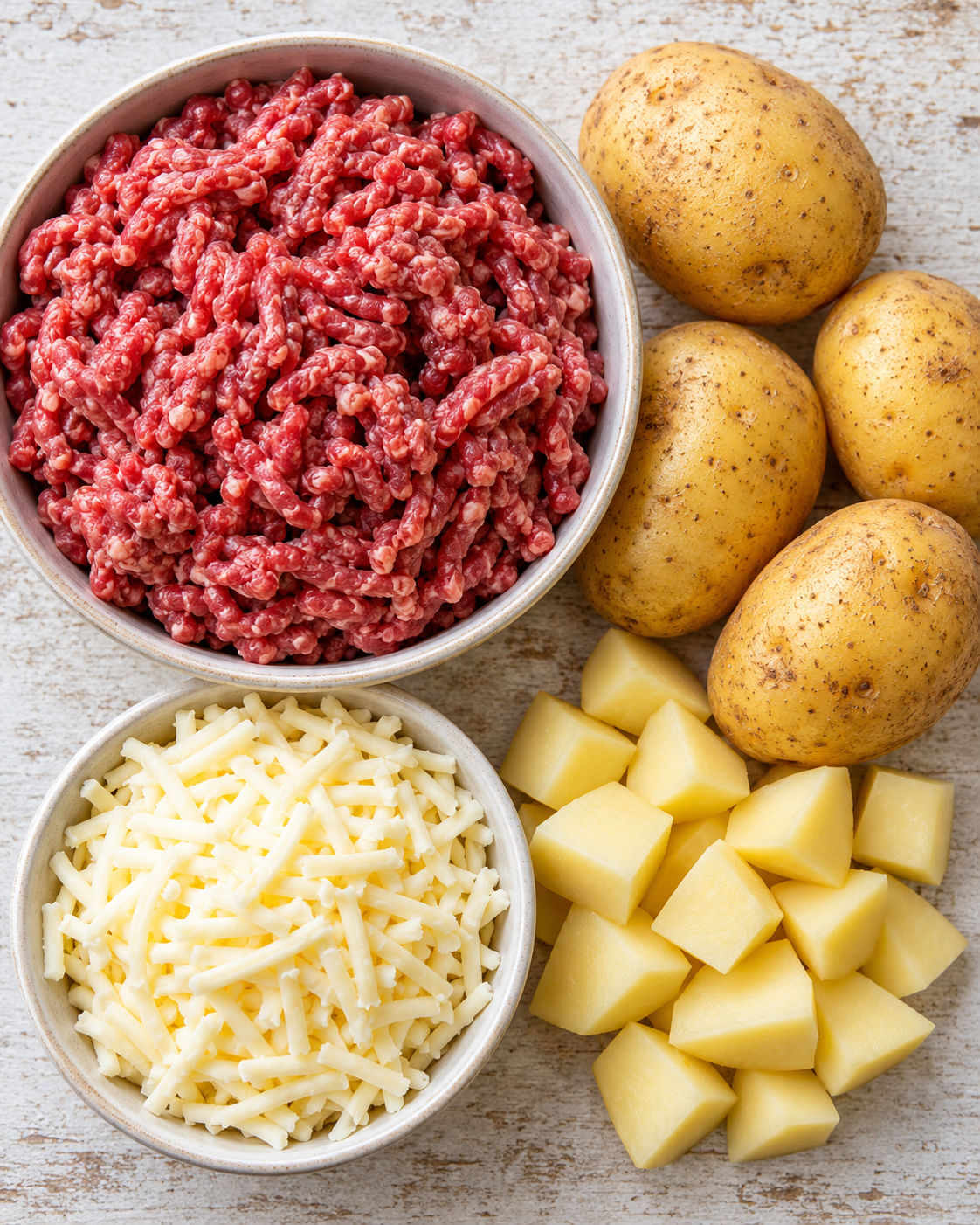
The ingredient list is intentionally centered on the three named components of the skillet. Meat is one complete ingredient category in the dish. Potatoes are a second complete ingredient category. Cheese is the third. The list stays focused on these components so the identity of the recipe remains easy to recognize.
Meat belongs at the center of the ingredient list because it is named directly as part of the dish. Potatoes follow as the other substantial named component. Cheese completes the list and carries the description of the skillet. Together, the three bullets provide the full ingredient vocabulary used by this recipe.
The list also reflects the one-pan character of the preparation. These ingredients are not presented as separate dishes or as unrelated additions. They are the named parts of one skillet meal. The ingredients section therefore acts as a concise outline of the dish: meat, potatoes, and cheese brought together in a cheesy meat and potato skillet.
The simplicity of the list keeps the recipe recognizable. The dish does not need a longer ingredient description to communicate its central idea. Its name and its ingredient list point to the same trio. Meat identifies the first component, potatoes identify the second, and cheese identifies the third.
The ingredient view should keep attention on meat, potatoes, and cheese. These are the components that establish what the skillet is. The visual arrangement belongs to the dish as a whole, with the three named ingredients presented as the foundation of the preparation.
How to Make It
-
Gather the meat, potatoes, and cheese as the three named components of the dish. Keep the ingredients together as the foundation of one skillet meal rather than treating them as separate preparations.
-
Set up the one-pan skillet format for the preparation. The skillet is the established pan for the dish and provides the central setting for the meat, potatoes, and cheese.
-
Bring the named components together in the skillet according to the intended one-pan preparation. The defining action is the combination of meat, potatoes, and cheese within the same skillet meal.
-
Continue the skillet preparation as one complete dish built around the named trio. Keep the identity of the meal centered on meat, potatoes, cheese, and the one-pan format.
-
Complete the cheesy meat and potato skillet within the stated 30 minutes. The duration belongs to the full preparation and applies to the recipe as a whole.
-
Present the completed dish as the one-pan skillet it is identified as being. The finished preparation remains centered on the combination of meat, potatoes, and cheese.
The method follows the structure of the dish without changing its identity. Gathering the three components establishes the ingredient group. Using one skillet establishes the pan format. Bringing the components together establishes the central preparation. Completing the dish within the stated duration preserves the timing associated with the recipe.
The order of the method keeps the dish easy to follow at a high level. First, the named components are gathered. Next, the skillet format is established. Then, the meat, potatoes, and cheese are combined as one preparation. Finally, the completed skillet is presented as a single comfort-food dish.
Every step points back to the same core description. The meat remains part of the dish from beginning to end. The potatoes remain part of the dish from beginning to end. The cheese remains part of the dish from beginning to end. The skillet remains the pan that unites them.
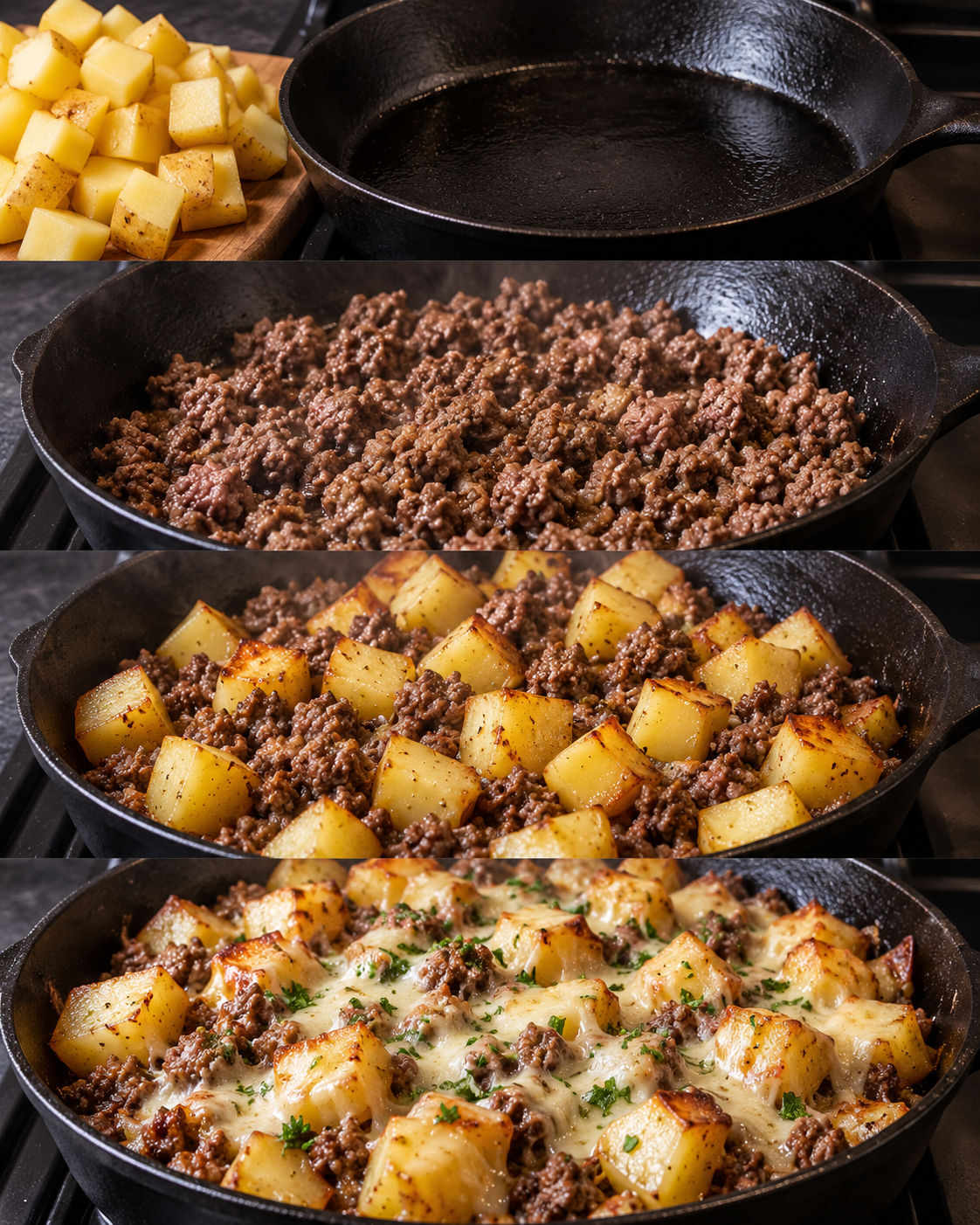
The preparation view belongs to the one-pan sequence: skillet, meat, potatoes, and cheese. It supports the movement from the named ingredients to the completed dish without introducing another component or another cooking format.
Toppings and Serving
The completed meal is served as a cheesy meat and potato skillet. Its presentation stays connected to the pan that defines the recipe. The central visual and descriptive focus is the combination of meat, potatoes, and cheese held within the skillet format.
The dish does not need a separate serving identity. It remains the same one-pan meal when attention moves from preparation to presentation. Meat continues to be one of the named components. Potatoes continue to be one of the named components. Cheese continues to complete the combination.
The word cheesy remains useful when describing the finished skillet because cheese is part of the dish identity. The word skillet remains useful because the pan format is part of the dish identity. The words meat and potato remain useful because they identify the two other named components.
The most faithful serving description is therefore also the simplest: a cheesy meat and potato skillet presented as one comfort-food dish. The pan, the meat, the potatoes, and the cheese remain the visible and descriptive center of the meal.
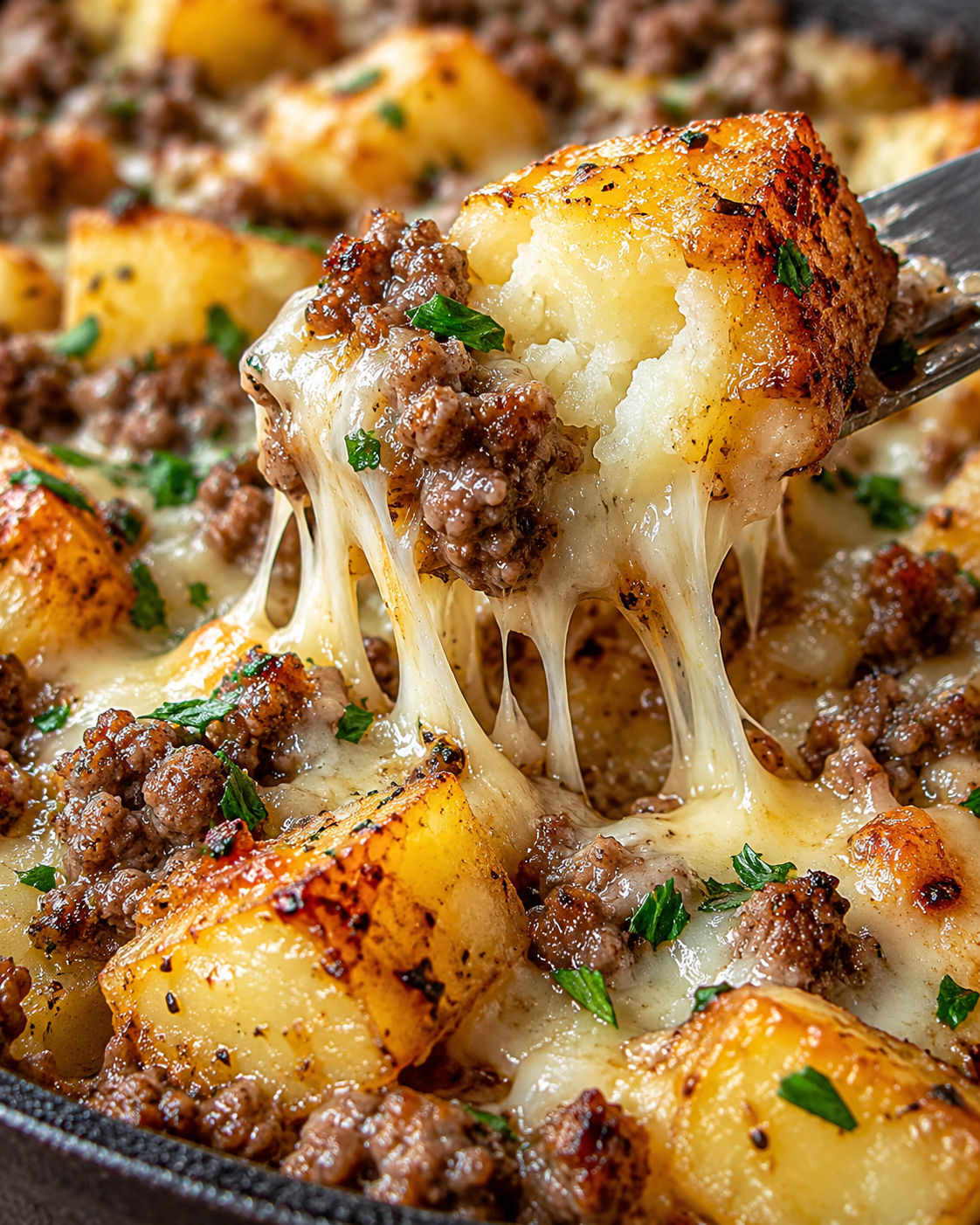
The close view should focus on the named combination without adding another visible element to the description. Cheese, meat, and potatoes communicate the identity of the skillet, while the texture view remains connected to the completed dish rather than to a separate topping or side.
Variations
The defining format of this recipe is the one-pan skillet. Its defining combination is meat, potatoes, and cheese. Any description of the dish remains anchored to those two connected ideas: the named ingredients and the pan that brings them together.
An alternate view can emphasize a different part of the same identity. It can focus on the meat as one part of the combination, the potatoes as another, or the cheese as the component that gives the dish its cheesy description. It can also emphasize the skillet as the single-pan format. These are changes in emphasis, not changes to the dish.
The recipe remains recognizable when its identity is described in different language. A meat and potato skillet highlights the first two named components. A cheesy skillet highlights the cheese and the pan. A one-pan skillet highlights the format. A comfort-food skillet highlights the established character. Each phrase refers to the same dish when the full combination remains present.
The boundaries of the dish are clearest when its named components stay together. Meat without potatoes and cheese would not express the complete named combination. Potatoes without meat and cheese would not express the complete named combination. Cheese without meat and potatoes would not express the complete named combination. The one-pan format also remains part of the identity.
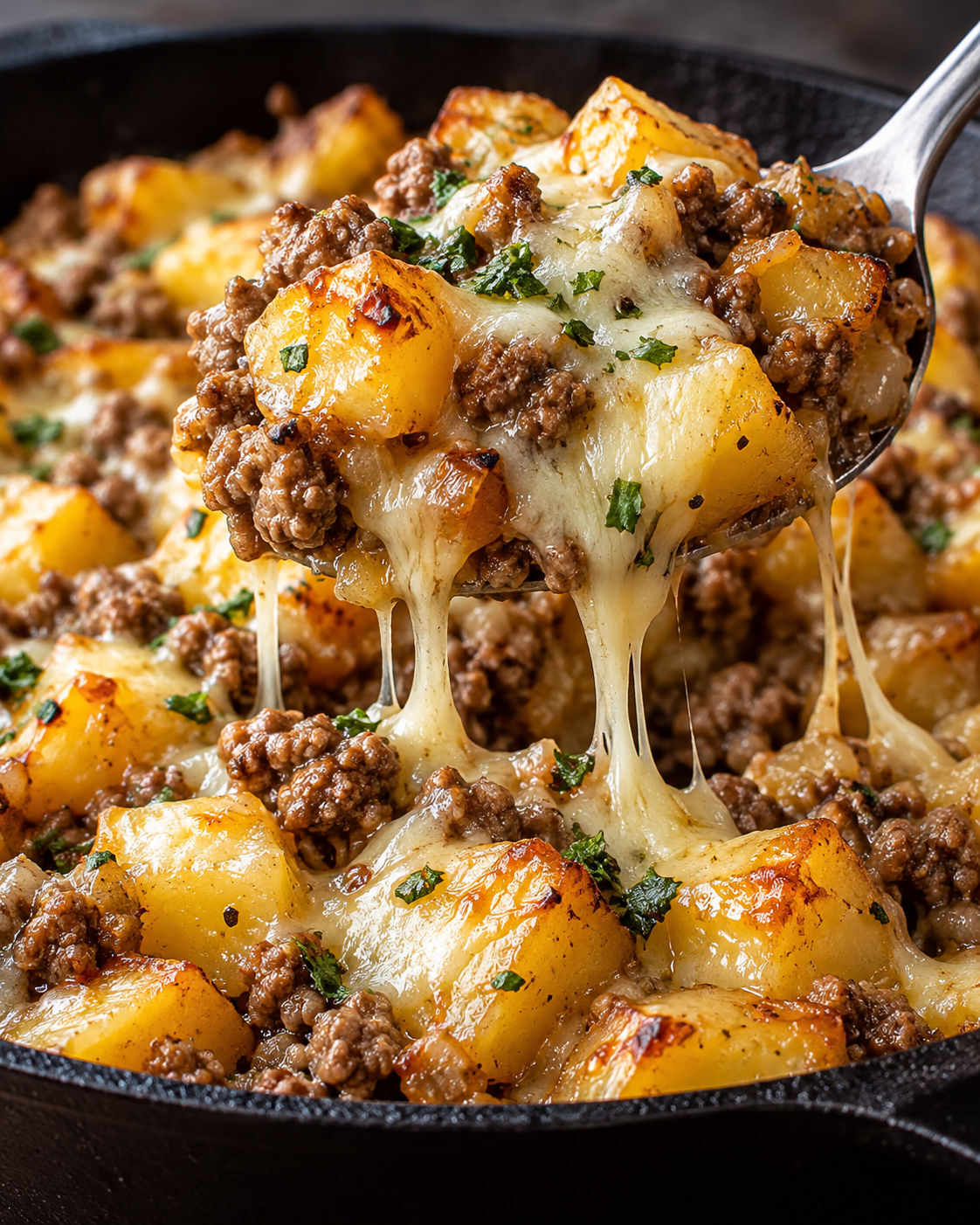
The alternate view should continue to show the same named skillet dish: meat, potatoes, cheese, and the pan that contains them. Its purpose is to offer another presentation of the established meal while preserving the same central combination.
Storage and Make-Ahead
The dish is identified as a one-pan cheesy meat and potato skillet. Its complete description remains tied to the preparation itself: meat, potatoes, cheese, and one skillet brought together as comfort food.
The same identity applies when the meal is discussed after preparation. It remains a skillet dish because the skillet is part of its format. It remains a meat and potato dish because those components are part of its name. It remains cheesy because cheese is part of its name and ingredient list.
The make-ahead description should remain connected to the established recipe identity rather than expanding it. The central subject is still the one-pan skillet and its named combination. The recipe is not defined by an additional storage component, a separate reheating identity, or another preparation format.
The clearest summary is the same one used throughout the article: a comfort-food skillet built around meat, potatoes, and cheese. That description preserves the dish without adding another named detail.
FAQ
What is this dish?
It is a one-pan cheesy meat and potato skillet. The dish combines meat, potatoes, and cheese in a skillet format and is presented as comfort food.
What are the named ingredients?
The named ingredients are meat, potatoes, and cheese. These three components form the ingredient list and the central identity of the dish.
Why is it called a one-pan skillet?
The recipe is identified by its skillet format. The meat, potatoes, and cheese belong to one pan, so the one-pan description is part of the dish identity.
What makes it cheesy?
Cheese is one of the three named components. It completes the combination of meat, potatoes, and cheese and gives the skillet its cheesy description.
Is this a meat dish or a potato dish?
It is both. Meat and potatoes are both named components of the same skillet, and cheese completes the combination.
How should the finished meal be described?
The finished meal should be described as a cheesy meat and potato skillet presented in one pan. That wording keeps the ingredients, format, and comfort-food character together.
What is the central idea of the recipe?
The central idea is the combination of meat, potatoes, and cheese in one skillet. The dish is defined by that combination and by its one-pan presentation.
Does the dish have a separate topping identity?
The dish is identified by meat, potatoes, cheese, and the skillet. Its description remains centered on those named elements rather than on a separate topping identity.
What is the simplest way to name it?
The simplest name is one-pan cheesy meat and potato skillet. That name states the format, the defining quality, and the two central food components while retaining cheese as part of the dish.
What character does the meal have?
The meal is presented as comfort food. Its comfort-food character is connected to the skillet format and the combination of meat, potatoes, and cheese.
What should remain consistent in every description?
The description should keep the same four anchors: meat, potatoes, cheese, and skillet. Together, they identify the complete one-pan cheesy meat and potato skillet.
More in Uncategorized
Crock Pot Roast with Potatoes, Carrots, and Gravy
Easy Crockpot Chicken and Stuffing
Slow Cooker Beef Stew with Potatoes, Carrots, and Peas