Traditional Hong Kong Egg Tart Recipe: Buttery Crust & Creamy Egg Custard

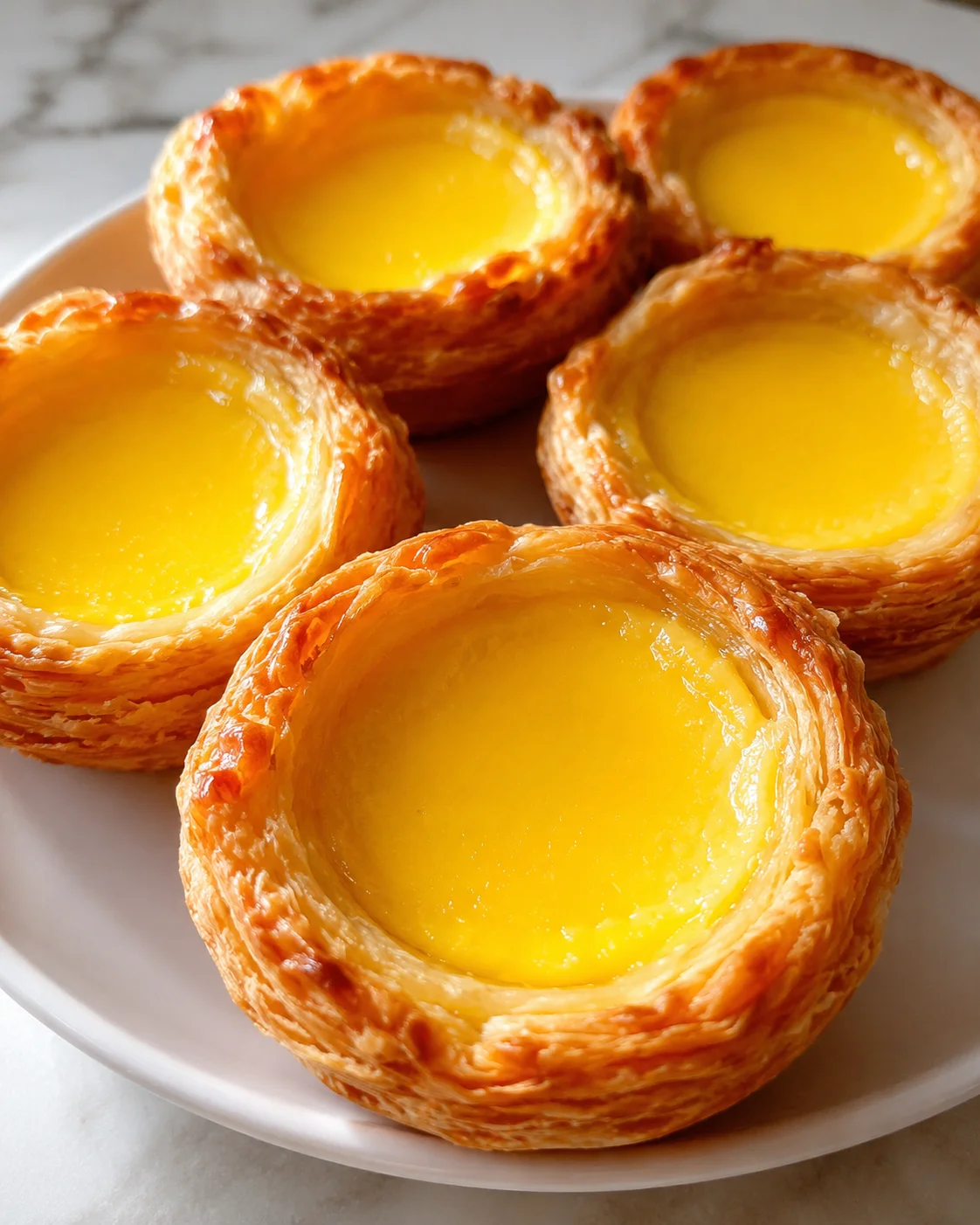
If you’ve been on the hunt for a reliable, delicious Hong Kong egg tart recipe, I’ve got you covered. This version uses easy-to-find store-bought puff pastry with a smooth egg custard made from evaporated milk, sugar, and vanilla. The results? Beautifully flaky, golden shells surrounding a silky custard that jiggles gently in the center — just like those fresh-from-the-bakery treats you see in Hong Kong. Whether you’ve searched for “egg tart recipe Hong Kong,” “Chinese egg custard tart,” or “egg tarts Hong Kong style,” this recipe is straightforward, approachable, and perfect for busy home cooks who want big flavor with minimal fuss.
If you dream of those shiny, bakery-style Hong Kong egg tarts without tackling laminated dough, you’re absolutely in the right spot. This Hong Kong egg tart recipe uses ready-made puff pastry and a simple custard made with evaporated milk that gives you crisp, flaky tart shells and a custard center that wobbles just so. The best part? Anyone can make these with no fancy techniques needed.
In about an hour total — 30 minutes hands-on prep and 25 to 30 minutes baking — you’ll learn how to:
- Cut and dock puff pastry rounds so the shell bakes evenly and crisps just right;
- Whisk up a smooth, well-balanced custard with the perfect sugar-to-liquid ratio, and why stirring gently instead of whipping helps you get that perfect glossy surface;
- Spot the telltale signs your tarts are done — including that gentle wiggle in the center and no cracks or soggy bottoms;
- Make simple swaps, store leftovers safely, and troubleshoot common issues so every batch is tasty and consistent.
Benefits of This Method
This recipe brings classic Hong Kong egg tart flavors without the fuss of making dough from scratch — thanks to convenient store-bought puff pastry that locks in crisp, flaky layers effortlessly.
- You’ll get silky, shiny custard every time because this recipe nails the egg-to-liquid ratio and stresses gentle stirring plus straining to keep the texture tender and lush, never rubbery.
- It’s quick and beginner-friendly: about half an hour prep, then a short bake—ideal for weeknights or a special weekend treat.
- It’s flexible, too: swap in shortcrust pastry for a buttery twist or add matcha to the custard for a fun flavored version.
- It stores well, so you can make ahead. The fresh tarts keep well at room temp for a day, last 3–4 days in the fridge, and freeze beautifully for even longer.
- Clear troubleshooting tips help you avoid bubbles, cracks, and soggy bottoms—so even first timers can feel confident baking.
Ingredients and Their Purpose
- 2 sheets of store-bought puff pastry
- 1 egg (for egg wash)
- 3 large eggs
- 1/2 cup white sugar
- 1 cup hot water
- 1/3 cup evaporated milk
- 1 teaspoon vanilla extract
- Pinch of salt
How to Bake the Tarts
- Thaw puff pastry until soft enough to handle but still cold, following package instructions.
- On a floured surface, gently roll pastry sheets to even thickness.
- Use a 3.5-inch round cutter to cut circles and press each round into tart molds, trimming excess.
- Lightly dock/prick the bottom of each pastry shell with a fork.
- Chill the tart molds in the fridge while you make the custard.
- Dissolve the sugar in hot water and let the syrup cool to room temperature.
- Gently beat the eggs in a bowl, avoiding whisking to prevent air bubbles.
- Add evaporated milk, vanilla, and a pinch of salt to the eggs and stir to combine.
- Fold the cooled sugar syrup into the egg mixture.
- Strain the custard through a fine-mesh sieve into a clean container to remove any lumps or foam.
- Preheat the oven to 375°F (190°C).
- Optional: brush exposed pastry edges with egg wash for extra color and shine.
- Carefully pour the strained custard into chilled pastry shells, filling about 80–90% full.
- Place tart trays on the center rack and bake 25–30 minutes, avoiding opening the oven during the first 20 minutes.
-
Test doneness by tapping a tart—the custard should wobble slightly like set jelly but not be liquidy.
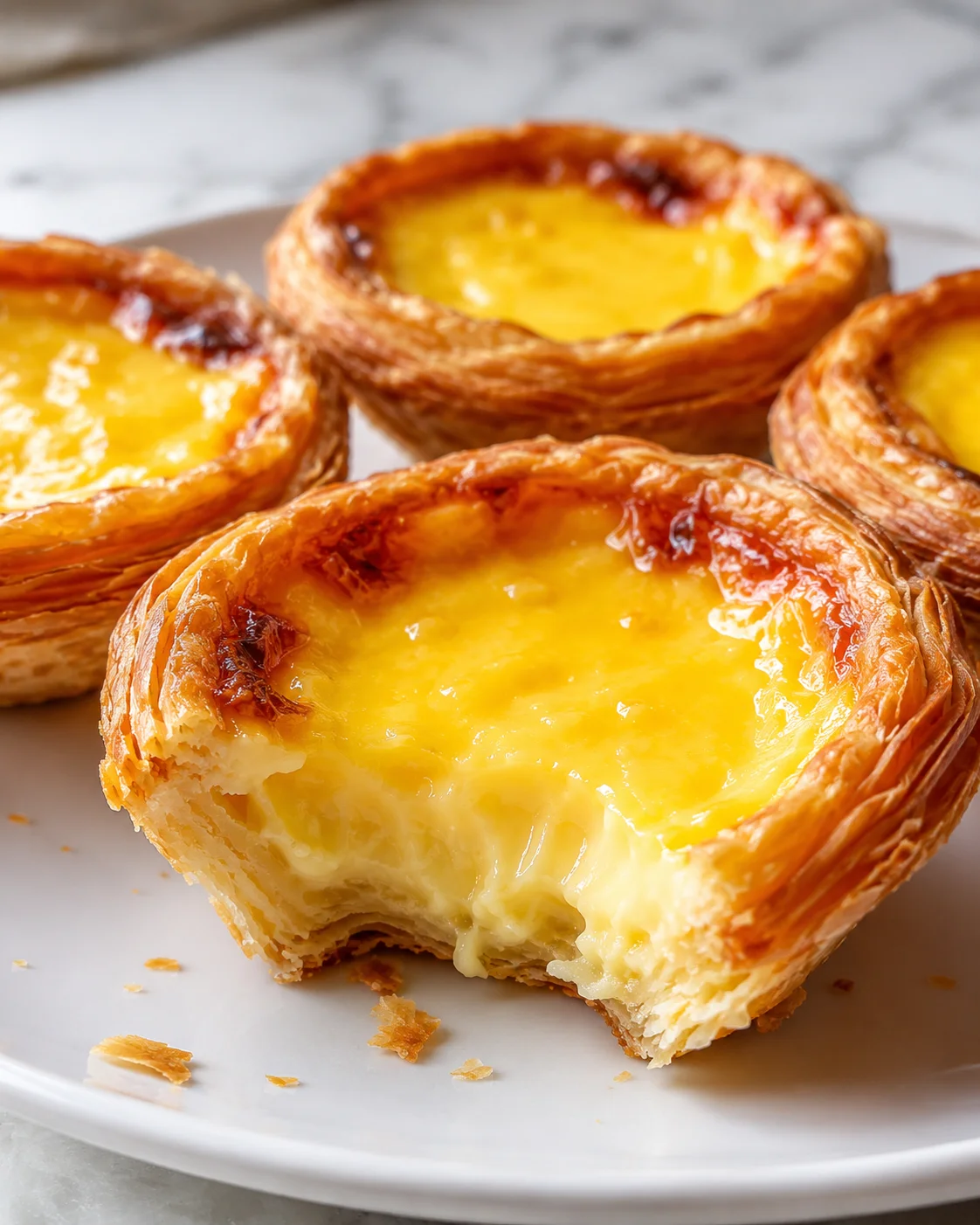
- Cool the tarts in their molds for 10 minutes, then transfer to a wire rack to finish cooling.
Tips for Perfect Custard
This Hong Kong egg tart recipe has the perfect sugar-to-liquid balance that gives you a custard firm enough to slice cleanly once cooled but still soft and melt-in-your-mouth fresh from the oven. The key ratio is about one egg per ⅓ cup of liquid—that keeps things from turning tough or rubbery.
The real magic happens when you stir gently instead of whisking. Whisking traps air bubbles that pop up as foam or holes on top of your custard once baked. A slow, careful stir keeps the custard glassy and smooth. If you want that true-to-life Hong Kong egg tart texture, trust me—this step’s the big secret.
The bake is short and hot to keep those puff pastry edges crisp without drying out your luscious custard center.
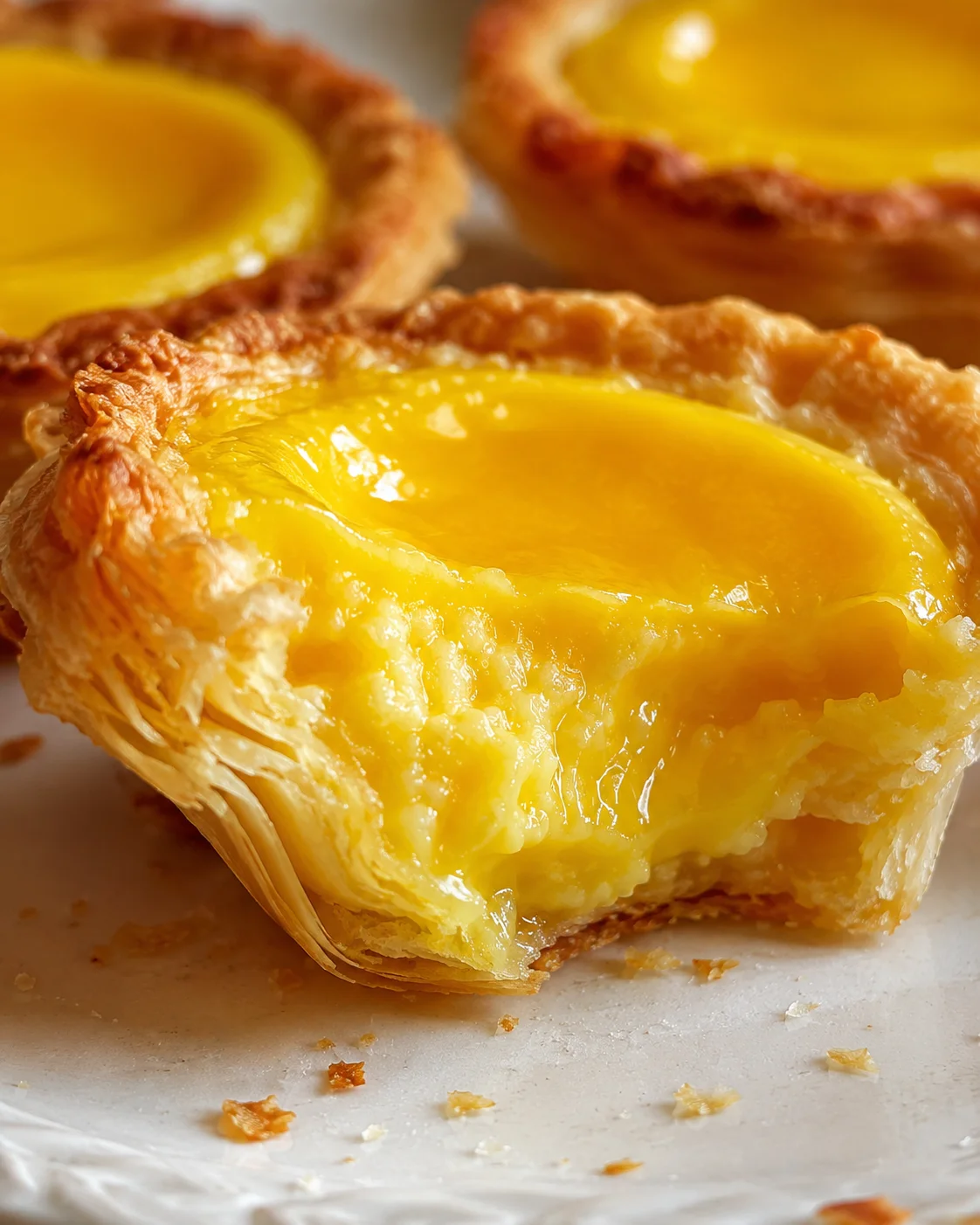
Eggs are the most delicate piece here—remember to stir gently and avoid whisking. Bubbles will mess up your smooth surface.
Straining that custard after mixing is a must if you want a silky, flawless top. I use a fine mesh sieve straight into a pitcher to catch any lumps or foam—you’ll see the same technique in our panna cotta recipe.
If you’re ever unsure whether your mixture is smooth enough, try holding a flashlight under the bowl—the light will clearly show any clumps or unmixed bits.
If your custard puffs up or domes during baking, that usually means you stirred too vigorously. Stick to gentle spoon strokes to keep the texture right.
Cracks on the custard’s surface mean the oven’s temperature was too high. Next time, dial it back a bit and place the baking tray on the lower rack to cook more gently. For gentle-bake cues that help prevent surface cracks, see our Key Lime Bars recipe.
Leaky tart bottoms usually come from not pricking the pastry base before baking. Always dock the shells lightly with a fork so steam can escape and the crust bakes evenly.
If your custard looks cloudy instead of shiny, it probably missed the straining step or got overmixed and filled with air. Don’t skip straining for the best glossy finish.
Metal tart pans help the shells bake evenly since they spread heat better than ceramic ones.
Avoid silicone molds for these tarts since they don’t support puff pastry well and can prevent the crust from crisping nicely.
For extra color and shine, brush the pastry edges exposed outside the custard with an egg wash before baking—it adds a beautiful golden touch.
Substitutions and Flavor Twists
Want a firmer custard that slices neatly? Try reducing the hot water to ¾ cup and bumping the evaporated milk by a tablespoon or so.
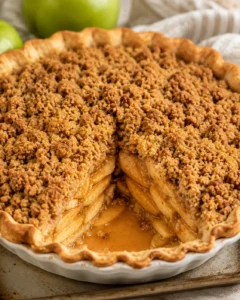
If you prefer a sturdier, buttery shell, swap out the puff pastry for shortcrust pastry; for technique, see the double pie crust method in our apple pie recipe. Just keep in mind it won’t puff or flake the same way but adds a lovely cookie-like texture.
For a fun twist, add matcha! Replace 2 tablespoons of the hot water with strong matcha tea powder—it pairs beautifully with the sweet custard and gives your tarts a trendy green color.
Storage and Reheating Guide
Once baked, you can keep these tarts at room temperature for up to a day, loosely covered with a cloth or plastic wrap.
If you want to stretch them longer, refrigerate for 3 to 4 days. The pastry will soften a bit but still taste great.
To freeze, wrap each tart individually in foil, then place them in an airtight container or freezer bag. When you’re ready, reheat from frozen at 300°F (150°C) for about 10 minutes. This warms the custard gently without cracking it.
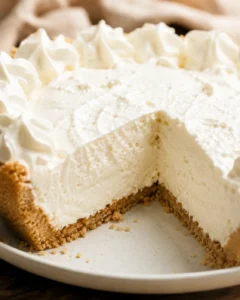
Enjoy your Hong Kong egg tarts warm for a gorgeously soft, wobbly center or chilled if you like a firmer custard—similar to the creamy set in this Coconut Cream Pie. Both ways are delicious.
Answers to Common Questions
Can I use regular whole milk instead of evaporated milk? — Absolutely! Whole milk works as a budget-friendly substitute. Just know your custard might come out a bit paler and less rich than when using evaporated milk, which gives you that classic golden hue and creamy depth.
How do I avoid bubbles or a foamy top? — Easy: stir your eggs and liquids slowly and gently with a spoon—no whisking! Then strain the custard through a fine mesh sieve before pouring it into the pastry shells. This removes any air and lumps, giving you that smooth, glossy finish.
How can I tell when the tarts are done? — Around 25 minutes, the custard should jiggle slightly like set jelly when you tap the side of a tart. If it still looks runny in the center, bake for a few more minutes. Also, avoid opening the oven during the first 20 minutes so your custard doesn’t crack or sink.
Why did my custard crack on top? — This usually means the oven was too hot or the temperature dropped suddenly, causing the custard to contract and crack. Next time, try lowering the oven temp a bit and bake on the lower rack to keep the heat gentle.
My tart bottoms leaked or puffed out — what happened? — Make sure you dock the base of the pastry shells with a fork before chilling and baking. Also, check that your pastry fits snugly into your tart pans—too loose and the filling can leak out. Using metal pans and trimming the dough carefully helps seal the base well.
Can I use shortcrust pastry instead of puff pastry? — Yes! Shortcrust pastry gives a sturdier, more biscuit-like crust which is delicious if you don’t want the flakiness of puff pastry. For an example of a shortcrust tart, see this chocolate pistachio tart with ganache. Just know it won’t puff up or have those signature layers.
How long do the tarts keep and how should I reheat them? — Store them at room temp, loosely covered, up to 1 day. Refrigerate for 3–4 days. For longer storage, freeze wrapped individually. Reheat frozen tarts at 300°F for about 10 minutes to warm the custard gently.
How can I make the custard firmer or easier to slice? — Try reducing the hot water to ¾ cup and adding an extra tablespoon of evaporated milk, as mentioned in the variations above. This changes the texture to be a bit more set without losing that silky feel.
PrintA classic Hong Kong-style egg tart featuring flaky, golden puff pastry shells filled with a silky, smooth egg custard made from evaporated milk, sugar, and vanilla, offering a delicate wobbly center and shiny surface.
- Prep Time: 30 minutes
- Cook Time: 25-30 minutes
- Total Time: 55-60 minutes
- Yield: 8 tarts 1x
- Category: Dessert
- Cuisine: Hong Kong
Ingredients
- 2 sheets store-bought puff pastry
- 1 egg (for egg wash)
- 3 large eggs
- 1/2 cup white sugar
- 1 cup hot water
- 1/3 cup evaporated milk
- 1 teaspoon vanilla extract
- Pinch of salt
Instructions
- Thaw puff pastry until soft but still cold, per package instructions.
- On a floured surface, gently roll pastry sheets to an even thickness.
- Using a 3.5-inch round cutter, cut circles and press them into tart molds; trim excess pastry.
- Lightly dock (prick) the bottom of each pastry shell with a fork.
- Chill the tart molds in the refrigerator while preparing custard.
- Dissolve sugar in hot water and let syrup cool to room temperature.
- Gently beat the eggs in a bowl, avoiding whisking to prevent air bubbles.
- Add evaporated milk, vanilla extract, and a pinch of salt to the eggs, stirring to combine.
- Fold in cooled sugar syrup with gentle stirring.
- Strain the custard through a fine-mesh sieve into a clean container to remove lumps and foam.
- Preheat oven to 375°F (190°C).
- Optional: brush exposed pastry edges with egg wash for color and shine.
- Carefully pour the strained custard into chilled pastry shells, filling 80–90%.
- Place tart trays on center oven rack and bake for 25–30 minutes, avoiding opening oven during first 20 minutes.
- Check doneness by tapping a tart; custard should wobble slightly but not be liquid.
- Cool tarts in molds for 10 minutes, then transfer to a wire rack to cool completely.
Notes
Gentle stirring instead of whisking prevents air bubbles for a smooth glossy custard surface., Straining custard is key to a silky, lump-free texture., Dock pastry shell bottoms to prevent soggy bases and allow even baking., Using metal tart pans helps shells bake evenly; avoid silicone molds for optimal crust crispness., For firmer custard, reduce hot water to 3/4 cup and increase evaporated milk by 1 tablespoon., Shortcrust pastry can be substituted for a sturdier, buttery shell though it won’t puff or flake like puff pastry., Tarts keep up to 1 day at room temperature, 3–4 days refrigerated, and freeze well wrapped individually., Reheat frozen tarts at 300°F (150°C) for about 10 minutes to warm custard gently.
Nutrition
- Serving Size: 1 tart
- Calories: Approximately 180 calories per tart
- Fat: 8g per tart
- Carbohydrates: 22g per tart
- Protein: 5g per tart
More in Pies