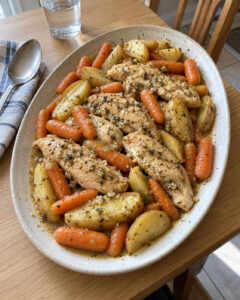
Million Dollar Chicken Casserole

Introduction
Million Dollar Chicken Casserole is a Main Course with an American profile, built around chopped cooked chicken and a creamy mixture. The filling brings together cream cheese, cottage cheese, sour cream, condensed cream of chicken soup, garlic powder, and dried onion powder. A topping made from crushed Ritz crackers and melted butter completes the assembled dish.
The planned yield is 6 people. Because the chicken is already cooked before it is combined with the other ingredients, the preparation centers on mixing, spreading, topping, and baking. The chicken is distributed through the creamy mixture, and the cracker layer is placed over that mixture in the baking dish.
This is a useful format for several kinds of cooked poultry. Rotisserie chicken, cooked chicken breasts, cooked chicken thighs, cooked chicken tenderloins, and leftover turkey can all be used as the cooked poultry component. The same basic arrangement remains in place: poultry and creamy ingredients form the filling, while buttered cracker crumbs form the topping.
The casserole also has flexible serving options. White rice and egg noodles can accompany it, while salad, green beans, Brussels sprouts, garlic bread, and rolls provide additional choices. The prepared casserole can be made ahead in its dish, frozen baked or unbaked, and kept as leftovers in an airtight container in the refrigerator.

Ingredients
-
4½ cups chopped cooked chicken
-
4 oz cream cheese at room temperature
-
1 cup cottage cheese
-
½ cup sour cream
-
1 10.5 oz can unsalted cream of chicken soup
-
¼ tsp garlic powder
-
¼ tsp dried onion powder
-
1 sleeve Ritz crackers, crushed
-
5 Tbsp butter, melted
The chicken should be cooked and chopped before it is combined with the filling. The listed poultry choices include rotisserie chicken, cooked chicken breasts, cooked chicken thighs, cooked chicken tenderloins, and leftover turkey. Each option fits the same role in the mixture, so the choice can follow the cooked poultry available for the meal.
The cream cheese is listed at room temperature. That detail belongs to the filling preparation, where it is combined with cottage cheese, sour cream, condensed soup, and the two powdered seasonings. The cottage cheese and sour cream are separate ingredients, and each remains part of the creamy mixture.
The soup is specifically unsalted cream of chicken soup in a 10.5 oz can. Garlic powder and dried onion powder provide the listed seasonings. The topping uses one sleeve of Ritz crackers, crushed, together with 5 Tbsp melted butter. No additional topping ingredients are needed for the planned assembly.
Arrange the ingredients by their role before beginning. The chicken, dairy ingredients, soup, and seasonings belong in the filling. The crackers and butter belong in the topping. Keeping those groups distinct makes the sequence easy to follow when the mixture is transferred to the baking dish and the crumbs are added.

How to Make It
-
Preheat the oven and lightly spray a 9×9-inch baking dish. Set the prepared dish aside while the filling and topping are assembled.
-
Place the 4½ cups chopped cooked chicken in a mixing bowl with the 4 oz cream cheese at room temperature, 1 cup cottage cheese, ½ cup sour cream, 1 10.5 oz can unsalted cream of chicken soup, ¼ tsp garlic powder, and ¼ tsp dried onion powder.
-
Combine the chicken, cream cheese, cottage cheese, sour cream, soup, garlic powder, and dried onion powder until the ingredients form one evenly mixed filling. The chicken should be distributed through the creamy ingredients rather than left separate from them.
-
Spread the combined filling into the lightly sprayed 9×9-inch baking dish. Extend the mixture across the dish so the filling occupies the prepared baking area.
-
Place one sleeve of crushed Ritz crackers in a separate bowl. Add 5 Tbsp melted butter and mix the crumbs with the butter.
-
Sprinkle the buttered cracker mixture over the chicken filling. Distribute the crumbs across the top of the filling so the topping covers the surface as an even layer.
-
Bake the casserole uncovered for 40 minutes. Keep the dish uncovered during this baking step, with the cracker mixture remaining on top of the chicken filling.
-
Remove the baking dish from the oven and serve the casserole with white rice, egg noodles, salad, green beans, Brussels sprouts, garlic bread, or rolls.
The preparation has two distinct parts: the creamy chicken filling and the buttered cracker topping. The filling begins with cooked chicken and the listed dairy and soup ingredients. The powdered seasonings are mixed into that same bowl, so the chicken and creamy ingredients share one combined layer in the baking dish.
The topping is assembled separately. Crushing the Ritz crackers creates the crumb component, and melted butter is mixed with those crumbs before they are placed over the filling. This keeps the crackers in a defined upper layer rather than mixing them into the chicken mixture.
The 9×9-inch baking dish is prepared before the filling is added. Lightly spraying the dish is the listed preparation for the pan. Once the filling has been spread in the dish and the crumbs have been added, the casserole is baked uncovered. The finished dish is served from the baking dish with the selected accompaniment.

Toppings and Serving
The topping is made from crushed Ritz crackers and melted butter. These two ingredients are mixed before the topping is sprinkled over the creamy chicken filling. The topping remains a separate layer, so each serving can include both the filling underneath and the cracker mixture above it.
White rice and egg noodles are listed as direct serving choices. Either can be placed alongside the casserole as a base for the creamy chicken mixture. These options keep the plate centered on the main dish while adding a separate component to the meal.
Salad, green beans, and Brussels sprouts are additional pairings. A salad provides another choice for the plate, while green beans and Brussels sprouts supply vegetable options listed with the casserole. Garlic bread and rolls are also suitable accompaniments, giving the meal a bread option alongside the baked chicken dish.
The serving selection can be kept simple or combined. Rice or noodles can be served with one of the vegetable choices, while garlic bread or rolls can be added when bread is part of the meal. The listed options allow the same casserole to be presented with different combinations without changing the filling or topping.
The finished casserole has a creamy chicken filling beneath its crushed cracker topping. That contrast is central to the dish’s presentation. The filling is served from the baking dish, and the topping is visible across the upper surface when the casserole is brought to the table.
Variations
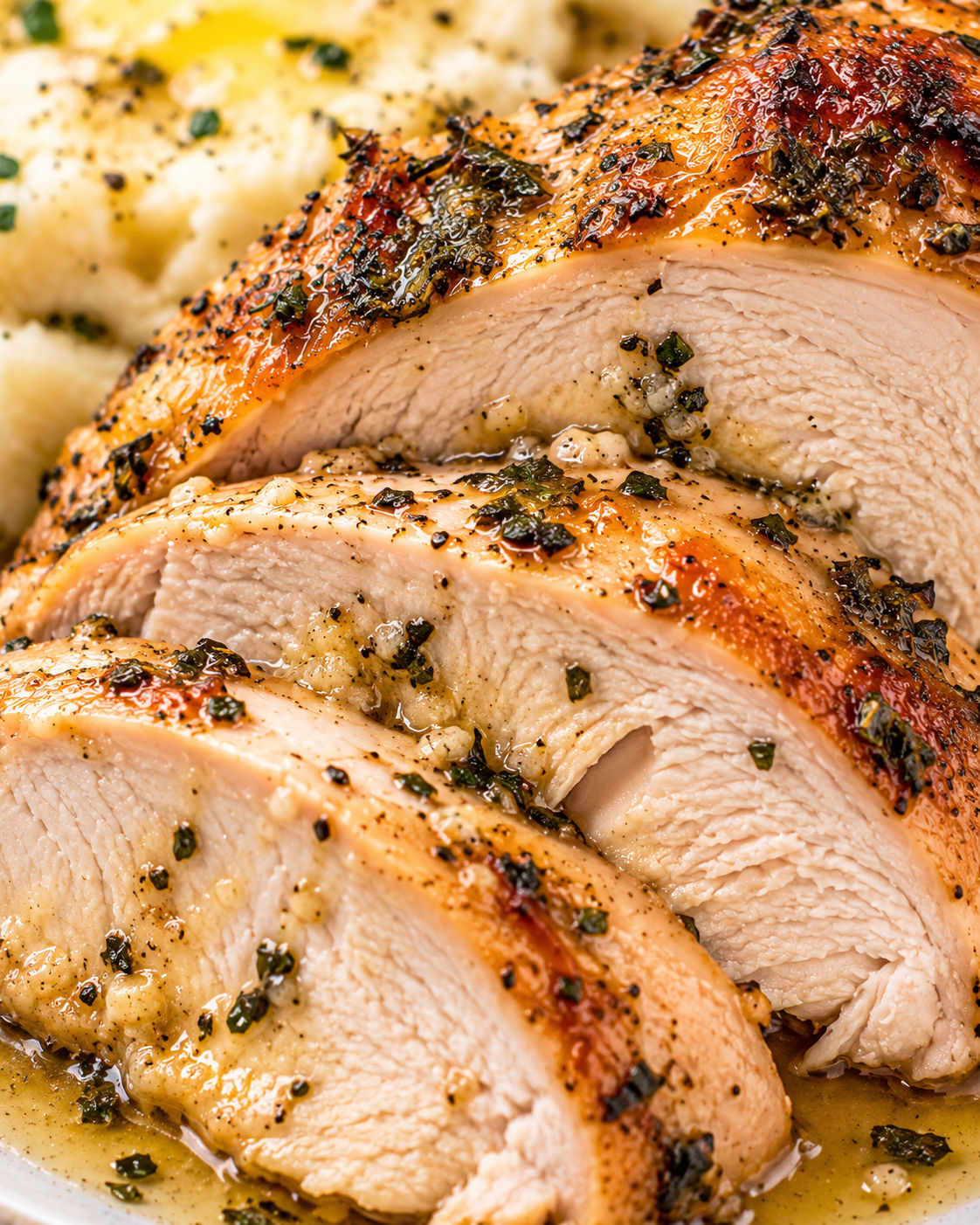
The cooked poultry can vary while the main arrangement stays the same. Rotisserie chicken, chicken breasts, chicken thighs, and chicken tenderloins are listed choices. Leftover turkey is another option. In each case, the cooked poultry is combined with the creamy ingredients, spread into the prepared dish, covered with the buttered cracker mixture, and baked uncovered.
Vegetable additions listed for the casserole include mushrooms, spinach, bell peppers, onions, green peas, carrots, and broccoli. These can be considered when adapting the filling. The chicken, creamy mixture, and cracker topping remain the central parts of the planned dish, while the listed vegetables provide possible additions.
The condensed soup can also be changed. Other condensed cream soups may be used in place of the listed soup. Unsalted cream of chicken soup is identified as an option for controlling sodium, and unsalted cream of chicken and mushroom soup is also identified. These choices preserve the role of a condensed cream soup in the filling.
Mushroom bouillon can be used to make cream of mushroom soup. This gives another soup direction within the listed variation options. The soup choice can therefore remain cream-based while changing the flavor used in the creamy chicken mixture.
When using a poultry, vegetable, or soup variation, the assembly remains organized in the same order. Combine the cooked poultry with the creamy ingredients and seasonings, spread the mixture into the prepared baking dish, mix the crushed crackers with melted butter, sprinkle the crumbs over the filling, and bake uncovered. The variation changes the selected ingredient, not the stated structure.
Storage and Make-Ahead
The casserole can be prepared before it is needed. Assemble the chicken mixture and spread it into the baking dish, then cover the dish and refrigerate it before baking. Bring a refrigerated casserole to room temperature before baking for best results. This make-ahead arrangement keeps the filling and baking dish together until the casserole is ready for the oven.
Freezing is possible either before baking or after baking. An unbaked casserole can be frozen after assembly, while a baked casserole can be frozen after it has been prepared. The two forms provide different points at which the dish can be stored, but both remain listed options.
A frozen casserole should be thawed overnight in the refrigerator before baking or reheating. This instruction applies whether the casserole was frozen before baking or frozen after it had already been baked. After thawing, follow the baking or reheating need that matches the stored form.
When reheating a frozen baked casserole, cover the thawed casserole with aluminum foil. The foil is specifically part of the reheating direction for the baked version. The unbaked version follows the baking instructions after it has been thawed overnight in the refrigerator.
Store leftovers in an airtight container in the refrigerator. The container keeps the remaining casserole stored as one prepared dish after serving. The same casserole can therefore move through the planned stages of preparation, refrigeration before baking, freezing when needed, thawing in the refrigerator, reheating when applicable, and leftover storage.

FAQ
How many people does the casserole serve?
The planned yield is 6 people. The dish is a Main Course made with chopped cooked chicken, a creamy filling, and a buttered cracker topping.
What cooked poultry can be used?
Rotisserie chicken, cooked chicken breasts, cooked chicken thighs, cooked chicken tenderloins, and leftover turkey are listed options. The poultry is cooked before it is chopped and combined with the cream cheese, cottage cheese, sour cream, soup, garlic powder, and dried onion powder.
What is in the topping?
The topping contains one sleeve of Ritz crackers and 5 Tbsp melted butter. The crackers are crushed, mixed with the melted butter, and sprinkled over the chicken filling before the casserole is baked uncovered.
Can the casserole be made ahead?
Yes. Prepare the casserole, cover it, and refrigerate it before baking. Bring the refrigerated casserole to room temperature before baking for best results.
Can it be frozen?
Yes. The casserole may be frozen baked or unbaked. Thaw a frozen casserole overnight in the refrigerator before baking or reheating. Cover a frozen, thawed baked casserole with aluminum foil when reheating.
Which vegetables can be added?
The listed additions are mushrooms, spinach, bell peppers, onions, green peas, carrots, and broccoli. They can be used as variations while the cooked poultry, creamy filling, and cracker topping remain the main structure.
Can another condensed cream soup be used?
Yes. Other condensed cream soups may be used. Unsalted cream of chicken or unsalted cream of chicken and mushroom soup can help control sodium, and mushroom bouillon can be used to make cream of mushroom soup.
What can be served with it?
White rice, egg noodles, salad, green beans, Brussels sprouts, garlic bread, and rolls are listed serving choices. One option can accompany the casserole, or several can be combined for the meal.
More in Uncategorized
Crock Pot Roast with Potatoes, Carrots, and Gravy
Easy Crockpot Chicken and Stuffing
Slow Cooker Beef Stew with Potatoes, Carrots, and Peas