30 Easy Slow Cooker Recipes – wide clock
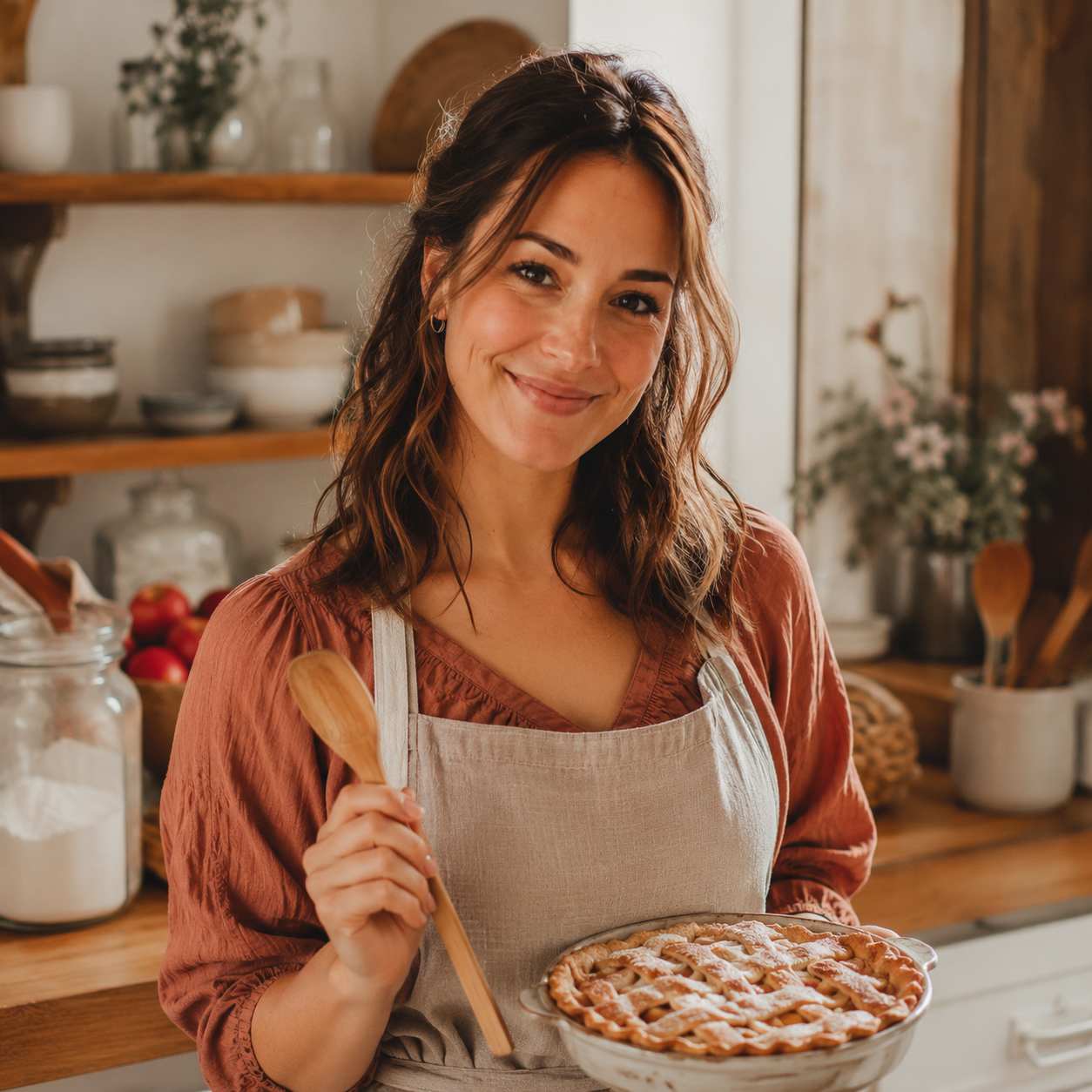
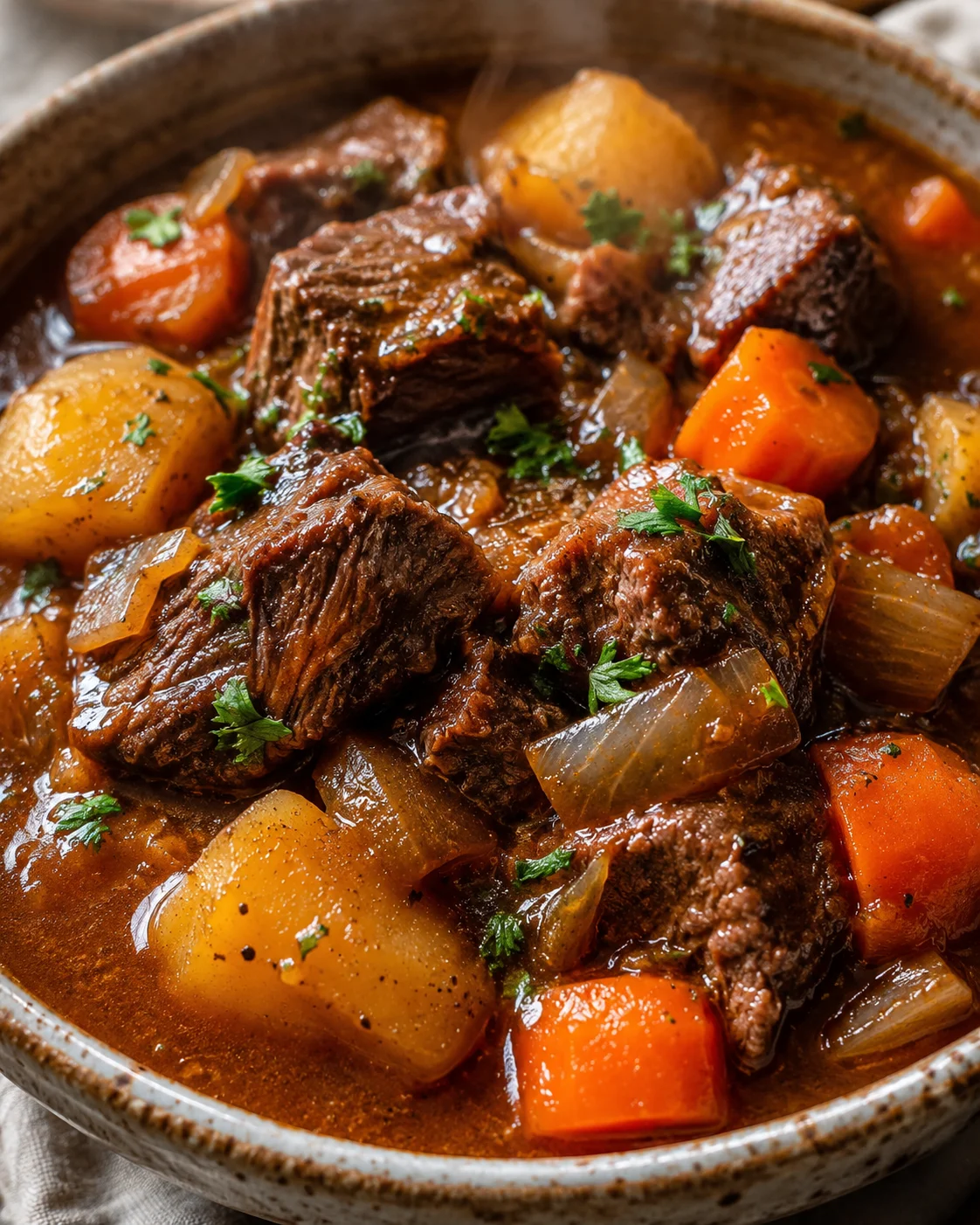
Hey there! You’ve just landed on your ultimate guide to easy slow cooker recipes that are totally reliable and bursting with flavor—without any extra stress. Inside, you’ll find a handy mix of down-to-earth meals that use budget-friendly cuts, everyday staples, and no-fuss methods that let you “set it and forget it” while still packing a punch at the dinner table.
- Real-life recipes: perfect for busy weeknights or lazy weekends, including hearty braises, cozy stews, flavorful shredded meats, and lighter fish or veggie options.
- Common ingredients and swaps: simple proteins, fresh veggies, pantry basics, and smart switch-ups for vegetarian, gluten-free, or spicier versions.
- Easy step-by-step tips: prepping, optional quick browning, layering ingredients just right, timing low vs high heat, and knowing when to add delicate stuff.
- Helpful troubleshooting and pro tips: how to avoid runny sauces, when searing helps, balance dough and filling, plus clever finishing touches.
- Storage and reheating advice: how to keep leftovers fresh in the fridge or freezer, warm them up perfectly, and quick answers to your burning questions.
Feel free to use this as your kitchen sidekick—skim through the recipes for inspiration, then check out the techniques and tips to nail every dish. Ready to dive in? Keep scrolling for easy slow cooker recipes that will fit your busy life and taste great.
Why These Recipes Make Dinner Easier
These easy slow cooker recipes are total game-changers. They bring big, rich flavors with hardly any hands-on time. You’ll turn inexpensive meat cuts and pantry staples into melt-in-your-mouth dishes the whole family will adore—think Slow Cooker Cowboy Beef. Plus, many are “set it and forget it,” which means you can stay busy with your day and come back to dinner that’s cooked to perfection, like a classic Crockpot Pot Roast. They’re perfect for anyone who wants a stress-free way to get delicious meals on the table, whether it’s a hectic weeknight or a chill weekend.
Pantry Staples and Main Ingredients
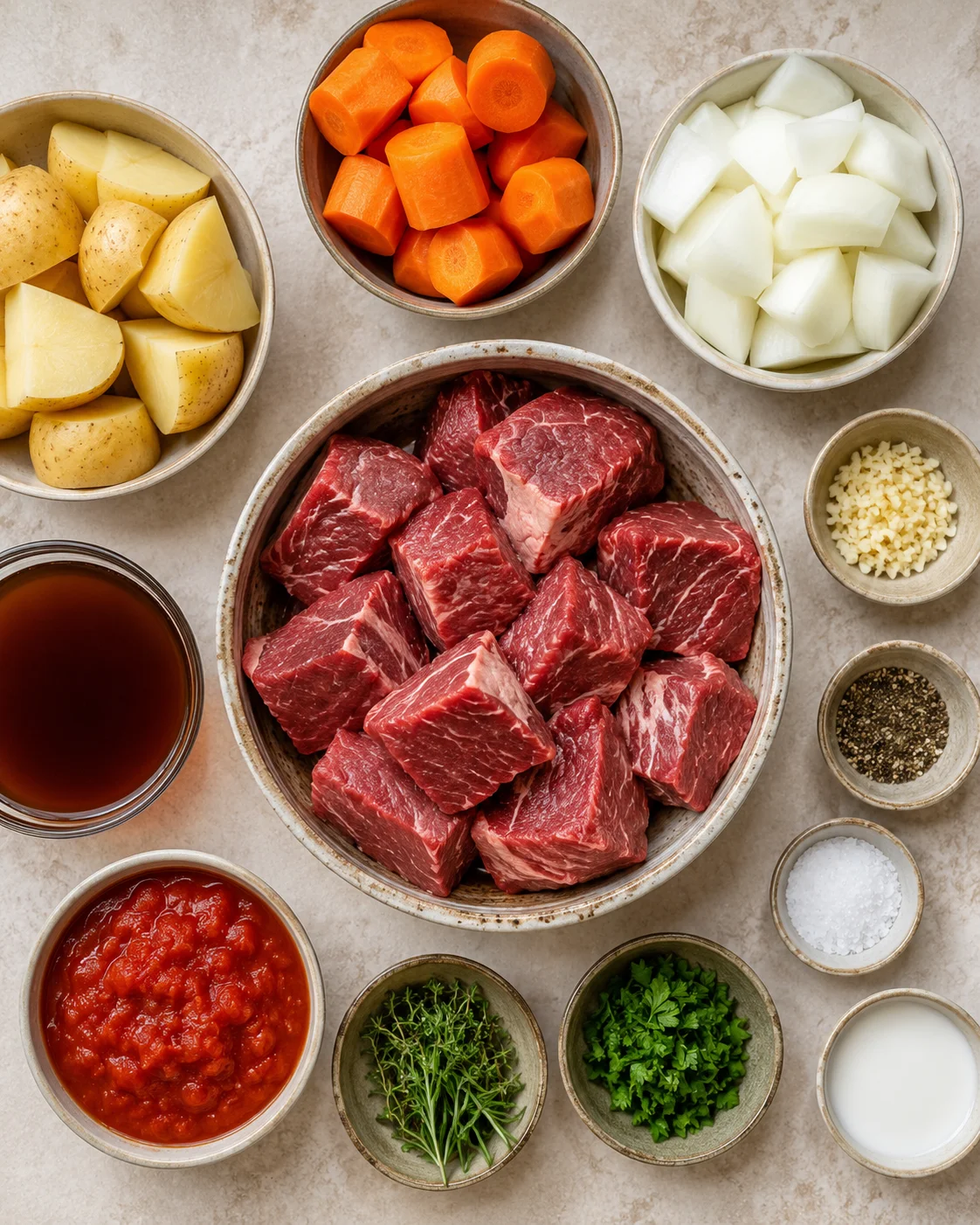
- chicken breasts or thighs
- ground beef
- flank or skirt steak
- pork ribs or chops
- beef chuck or short ribs
- salmon
- meatballs
- onions
- garlic
- potatoes (Yukon Gold or Russet)
- carrots
- bell peppers
- broccoli
- cauliflower
- sweet potatoes
- chicken or beef broth
- canned tomatoes or Rotel
- soy sauce
- hoisin
- teriyaki or BBQ sauces
- canned beans
- corn
- cream soups
- cornstarch
- flour
- heavy cream
- condensed soups
- cheese
- salt
- black pepper
- fresh ginger
- chili paste
- fajita or taco seasoning
- paprika
- cumin
- thyme
- rosemary
- parsley
- rice
- tortillas
- avocado
- sour cream
- grated cheese
- biscuits
- butternut squash
- lentils
- tofu
- vegetable broth
- tamari
- brown sugar
- pasta
- 1 tablespoon cornstarch and 1 tablespoon cold water
How to Cook Each Recipe
- Thaw meat before slow cooking.
- Chop vegetables evenly and trim excess fat from meats; cut root vegetables smaller if cook time is short and measure sauces and spices.
- Optional: quickly brown or sear steak, pork, or chicken in a hot skillet before adding to the slow cooker for extra flavor.
- Spray the slow cooker or line it with a slow cooker liner for easier cleanup.
- Fill the slow cooker only halfway to two-thirds full.
- Place sturdier vegetables (potatoes, carrots) in the bottom, add proteins on top, then pour in sauces or broth—use only enough liquid to cover the base.
- Set cooking temperature and time: LOW for tough cuts (about 6–8 hours), HIGH for quicker proteins (about 3–4 hours), and delicate fish like salmon about 2 hours on LOW.
- Add delicate ingredients (pasta, frozen vegetables, leafy greens) in the last 20–40 minutes of cooking.
- Add dairy (cream, milk, cheese) in the last 15–30 minutes to prevent curdling.
-
If the sauce is watery, remove the lid and turn to HIGH or simmer the sauce on the stovetop, or whisk in a slurry of 1 tablespoon cornstarch and 1 tablespoon cold water and heat until thickened.
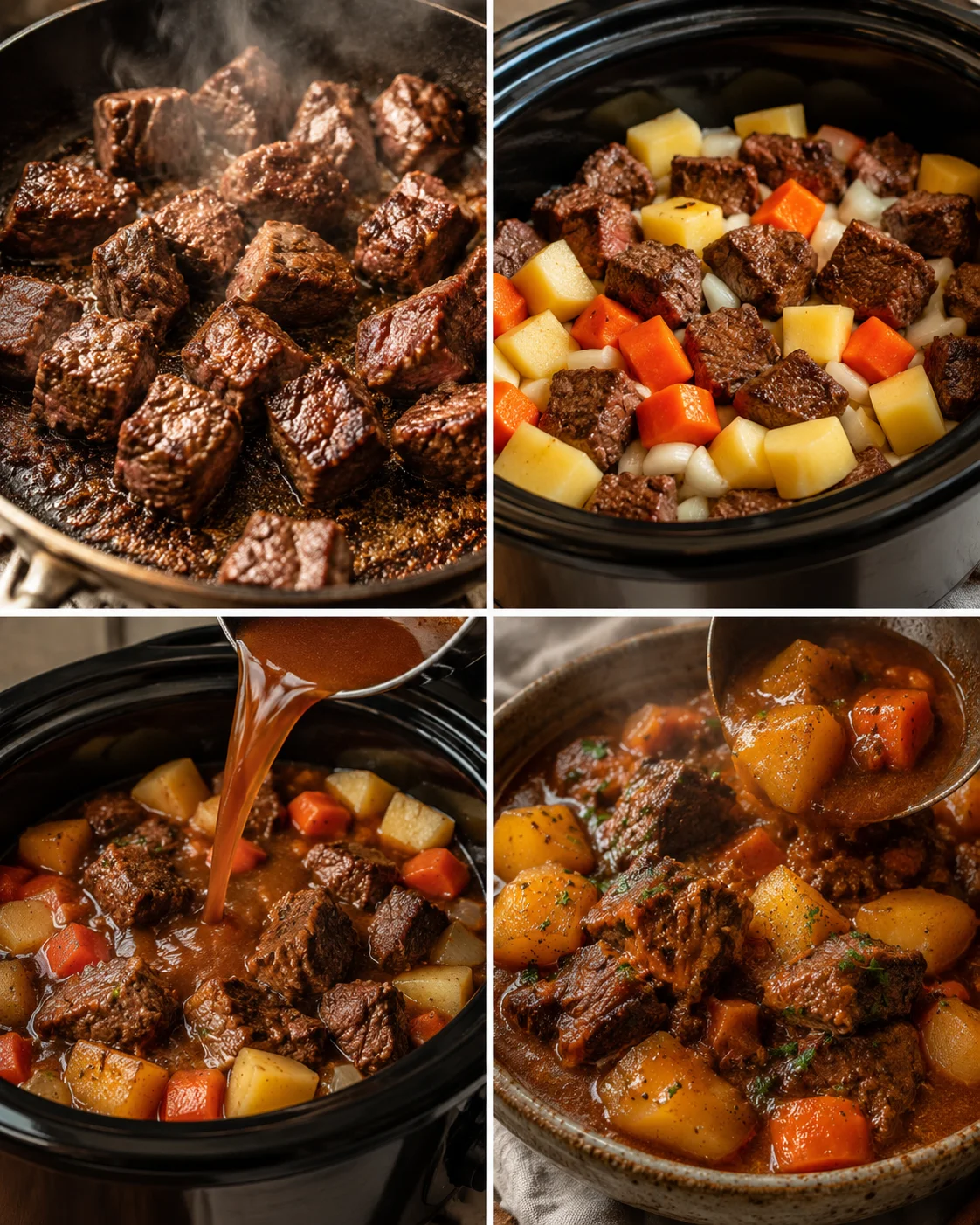
- Use an instant-read thermometer to check doneness (poultry 165°F / 74°C) and let large roasts rest 10–15 minutes before slicing.
- Salt carefully at the end and taste as you go.
- Optional finish: transfer to a baking sheet and broil briefly to caramelize or crisp tops if desired.
Pro Tips and Time-Saving Shortcuts
- Don’t overfill: aim to fill your slow cooker only halfway to two-thirds full to make sure the heat circulates evenly and everything cooks right.
- Brown meat first when you can: it’s not required but adds a lovely depth to your dish. For a tasty example, our Crockpot Cowboy Soup starts with browning the beef for extra flavor.
- Add dairy last: putting cream, milk, or cheese in at the end keeps it from separating and looking curdled. See how we stir in cream at the end in Creamy Crockpot Chicken Gnocchi Soup to keep it silky.
- Cut veggies evenly: this helps them cook through at the same pace. If your cook time is shorter, chop root veggies smaller.
- If your dish is watery, thicken with a cornstarch slurry or remove some liquid and simmer to concentrate flavors.
- Use slow cooker liners or spray the pot for easy cleanup—because who wants a long cleanup after a busy day?
- Salt carefully: canned ingredients and sauces often have salt already, so salt at the end and taste as you go.
Easy Swaps and Flavor Ideas
- Switch up the proteins: chicken thighs and breasts work interchangeably, brisket or skirt steak can swap for flank steak, or try plant-based meat alternatives for a vegetarian twist.
- Go vegetarian: swap the meat for extra beans, lentils, tofu, or hearty veggies like butternut squash or cauliflower, and use vegetable broth.
- Mix up spices: take a teriyaki dish to a Mongolian flavor by swapping in hoisin sauce and brown sugar; try apple-glazed meatballs for a sweet-savory twist; or switch taco seasoning for fajita spice to add a Mexican vibe.
- Gluten-free friendly: choose tamari instead of soy sauce and cornstarch instead of flour to thicken your sauces.
- Finish under the broiler: ribs or scalloped potatoes can get a quick broil at the end to caramelize and crisp their tops for extra yum—the same trick that makes sticky BBQ chicken wings glossy and caramelized.
Storing and Reheating Leftovers
- Refrigerate leftovers: pack your extras in airtight containers and store in the fridge for 3 to 5 days. Most recipes here keep well in that timeframe, but check individual ingredients.
- Freeze for later: most slow cooker meals freeze great for up to 3 months. Cool them completely, then portion into freezer-safe containers or bags. Try to avoid freezing dishes with dairy added—instead, freeze the base and add cream or cheese when you reheat (for example, see Slow Cooker Cheesy BBQ Bacon Chicken Tortellini).
- Reheat gently: warm your leftovers slowly on the stove over medium heat or use your microwave until they’re steaming hot (165°F / 74°C). If the sauce got thick, stir in a little broth or water to loosen it up.
- Make ahead: you can prep your ingredients right in the slow cooker insert, cover it, and refrigerate up to 24 hours before cooking. Let it come closer to room temp before turning it on so it cooks evenly.
Common Slow-Cooker Questions
- Can I cook meat from frozen in the slow cooker? It’s safer to thaw meat before slow cooking. Starting frozen means it’ll spend too much time in the “danger zone” where bacteria grows, plus the cooking won’t be even.
- Low vs High — which setting is better? LOW is your go-to for tender results on tough cuts because it cooks longer and slower. HIGH gets meals done faster and works well with delicate proteins. If you switch to HIGH, keep in mind it cooks roughly twice as fast as LOW.
- How do I stop sauces from being watery? Since slow cookers trap steam, you usually need less liquid than stovetop cooking. To fix watery sauces, thicken at the end with a cornstarch slurry or simmer uncovered on HIGH to reduce the liquid.
- Can I double a recipe in the slow cooker? Yes! Just make sure your slow cooker is big enough. Don’t fill it more than two-thirds full, and keep in mind that cooking time might stretch a bit when doubling.
- When should I add pasta or dairy? Add pasta during the last 20–40 minutes of cooking so it doesn’t get mushy. Add dairy like cream or cheese in the last 15–30 minutes to keep it from breaking or curdling.
- How long do leftovers last? Most leftovers stay tasty for 3 to 5 days in the fridge. Soupier dishes might last toward the longer end, while richer, cream-based recipes are best eaten within 3 to 4 days.
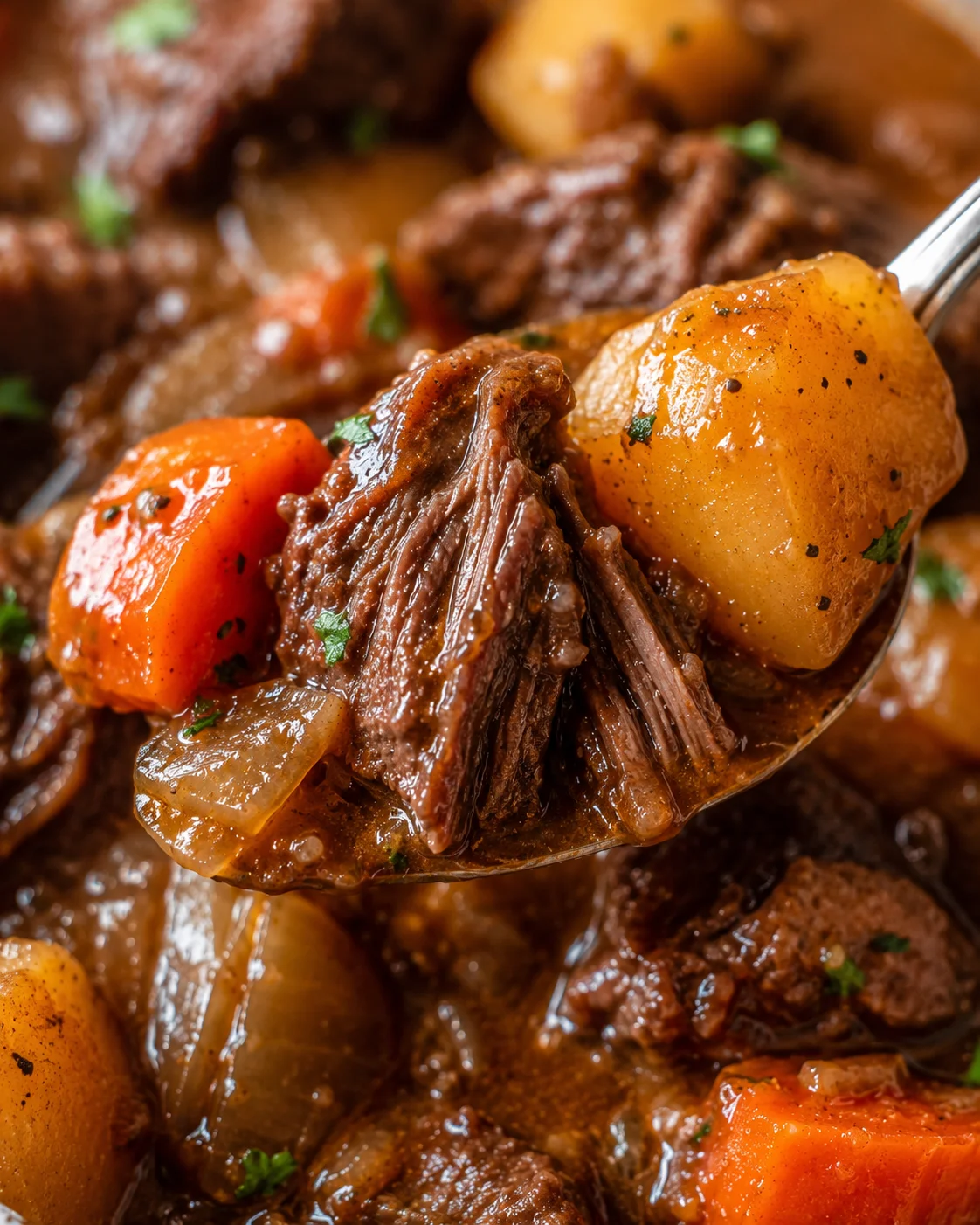
A comprehensive guide featuring 30 easy, flavorful slow cooker recipes using budget-friendly cuts and common pantry staples. Includes tips for prepping, cooking, storing, and customizing meals for vegetarian and gluten-free options.
- Prep Time: 15 minutes (varies by recipe)
- Cook Time: 2 to 8 hours (depending on recipe and setting)
- Total Time: Up to 8 hours plus prep
- Yield: Varies per recipe, typically 4-6 servings
- Category: Main Course
Ingredients
- Chicken breasts or thighs
- Ground beef
- Flank or skirt steak
- Pork ribs or chops
- Beef chuck or short ribs
- Salmon
- Meatballs
- Onions
- Garlic
- Potatoes (Yukon Gold or Russet)
- Carrots
- Bell peppers
- Broccoli
- Cauliflower
- Sweet potatoes
- Chicken or beef broth
- Vegetable broth
- Canned tomatoes or Rotel
- Soy sauce
- Tamari
- Hoisin sauce
- Teriyaki sauce
- BBQ sauce
- Canned beans
- Corn
- Cream soups
- Condensed soups
- Cornstarch
- Flour
- Heavy cream
- Cheese
- Salt
- Black pepper
- Fresh ginger
- Chili paste
- Fajita seasoning
- Taco seasoning
- Paprika
- Cumin
- Thyme
- Rosemary
- Parsley
- Rice
- Tortillas
- Avocado
- Sour cream
- Grated cheese
- Biscuits
- Butternut squash
- Lentils
- Tofu
- Brown sugar
- Pasta
- 1 tablespoon cornstarch and 1 tablespoon cold water (for slurry)
Instructions
- Thaw meat before slow cooking.
- Chop vegetables evenly and trim excess fat from meats; cut root vegetables smaller if cook time is short and measure sauces and spices.
- Optional: quickly brown or sear steak, pork, or chicken in a hot skillet before adding to the slow cooker for extra flavor.
- Spray the slow cooker or line it with a slow cooker liner for easier cleanup.
- Fill the slow cooker only halfway to two-thirds full.
- Place sturdier vegetables (potatoes, carrots) in the bottom, add proteins on top, then pour in sauces or broth—use only enough liquid to cover the base.
- Set cooking temperature and time: LOW for tough cuts (about 6–8 hours), HIGH for quicker proteins (about 3–4 hours), and delicate fish like salmon about 2 hours on LOW.
- Add delicate ingredients (pasta, frozen vegetables, leafy greens) in the last 20–40 minutes of cooking.
- Add dairy (cream, milk, cheese) in the last 15–30 minutes to prevent curdling.
- If the sauce is watery, remove the lid and turn to HIGH or simmer the sauce on the stovetop, or whisk in a slurry of 1 tablespoon cornstarch and 1 tablespoon cold water and heat until thickened.
- Use an instant-read thermometer to check doneness (poultry 165°F / 74°C) and let large roasts rest 10–15 minutes before slicing.
- Salt carefully at the end and taste as you go.
- Optional finish: transfer to a baking sheet and broil briefly to caramelize or crisp tops if desired.
Notes
Don’t overfill: fill slow cooker only halfway to two-thirds full for even cooking., Browning meat first adds depth but is optional., Add dairy at the end to prevent curdling., Cut veggies evenly for even cooking; chop root veggies smaller for shorter cook times., Thicken watery sauces with a cornstarch slurry or simmer uncovered on HIGH., Use slow cooker liners or spray pot for easy cleanup., Salt at the end to avoid over-salting from canned ingredients., Swap proteins: chicken thighs/breasts interchangeable; brisket or skirt steak for flank steak; plant-based meats for vegetarian option., Vegetarian substitutions: extra beans, lentils, tofu, hearty veggies, vegetable broth., Spice swaps: hoisin and brown sugar for a Mongolian flavor; fajita seasoning for taco spice., For gluten-free: use tamari instead of soy sauce, cornstarch instead of flour., Broil at end to caramelize or crisp tops if desired., Store leftovers in airtight containers in fridge for 3–5 days, or freeze up to 3 months (avoid freezing dairy-heavy dishes)., Reheat slowly and stir in liquid if sauce thickened when cold., Can prep ingredients 24 hours ahead refrigerated in slow cooker insert and bring to room temp before cooking.
Nutrition
- Serving Size: Varies by recipe, generally 1 cup or 1 serving portion
- Calories: Varies by recipe and serving size
- Fat: Varies by recipe, depending on meat cuts and use of dairy
- Carbohydrates: Varies by recipe, depends on ingredients such as rice, potatoes, beans
- Protein: Varies by recipe, generally moderate to high
More in Dinner