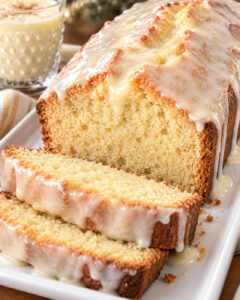
Cranberry Bread with Orange Glaze

Cranberry Bread with Orange Glaze
Introduction
Cranberry bread with orange glaze combines a tender loaf, bright cranberries, and a smooth citrus topping in one bake. The bread is suited to breakfast, dessert, tea, coffee, or homemade holiday gifting. Fresh cranberries bring a distinct tart contrast to the sweet crumb, while orange zest and orange juice carry a clear citrus note through both the loaf and the glaze.
The loaf begins with a simple batter made from flour, baking powder, salt, milk, butter, sugar, eggs, orange zest, and orange juice. Fresh cranberries are coated with a small amount of flour before they are folded into the mixture. That step keeps the berries prepared for an even distribution through the batter. Once baked and cooled, the bread receives a powdered sugar glaze loosened with orange juice and finished with reserved zest.
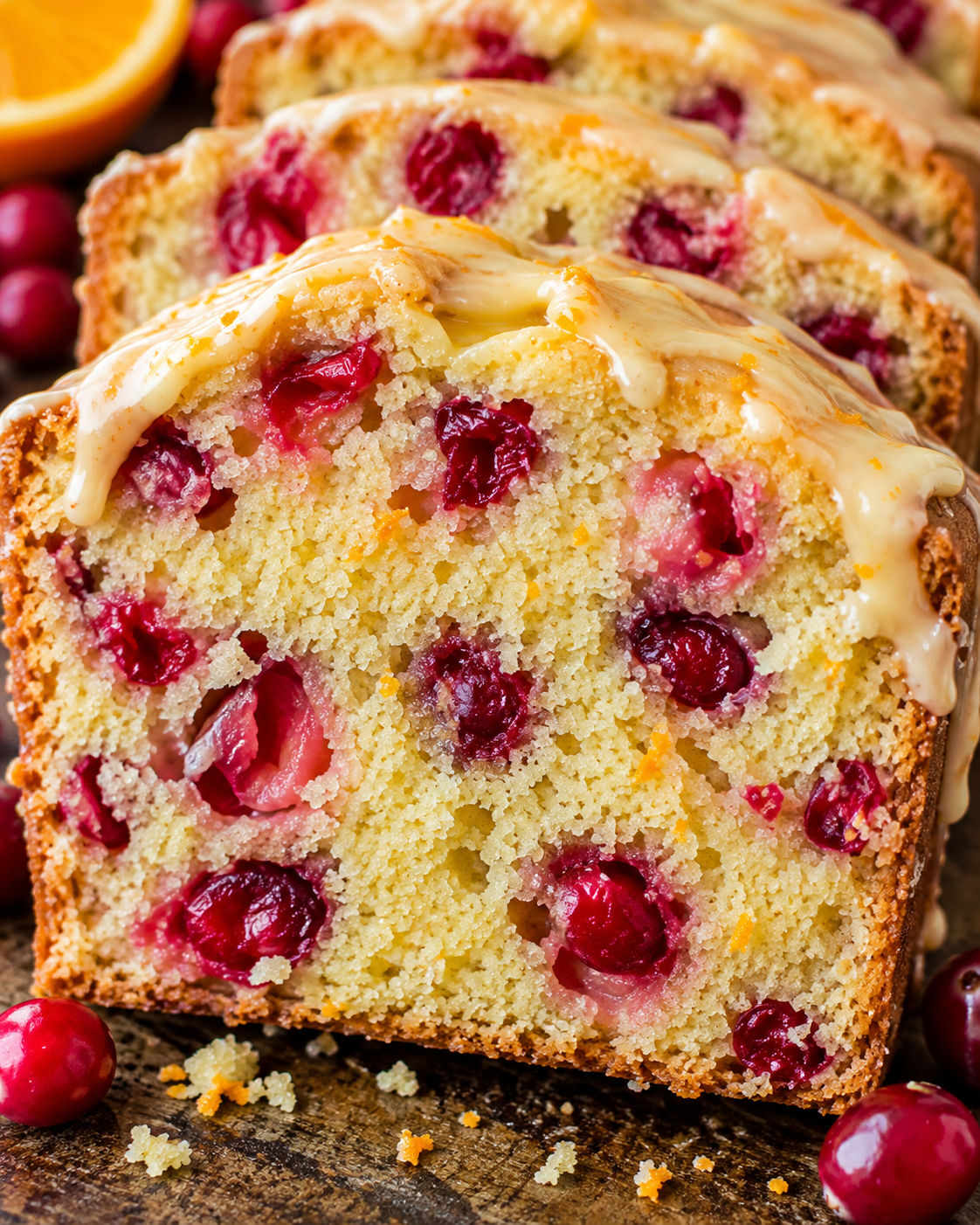
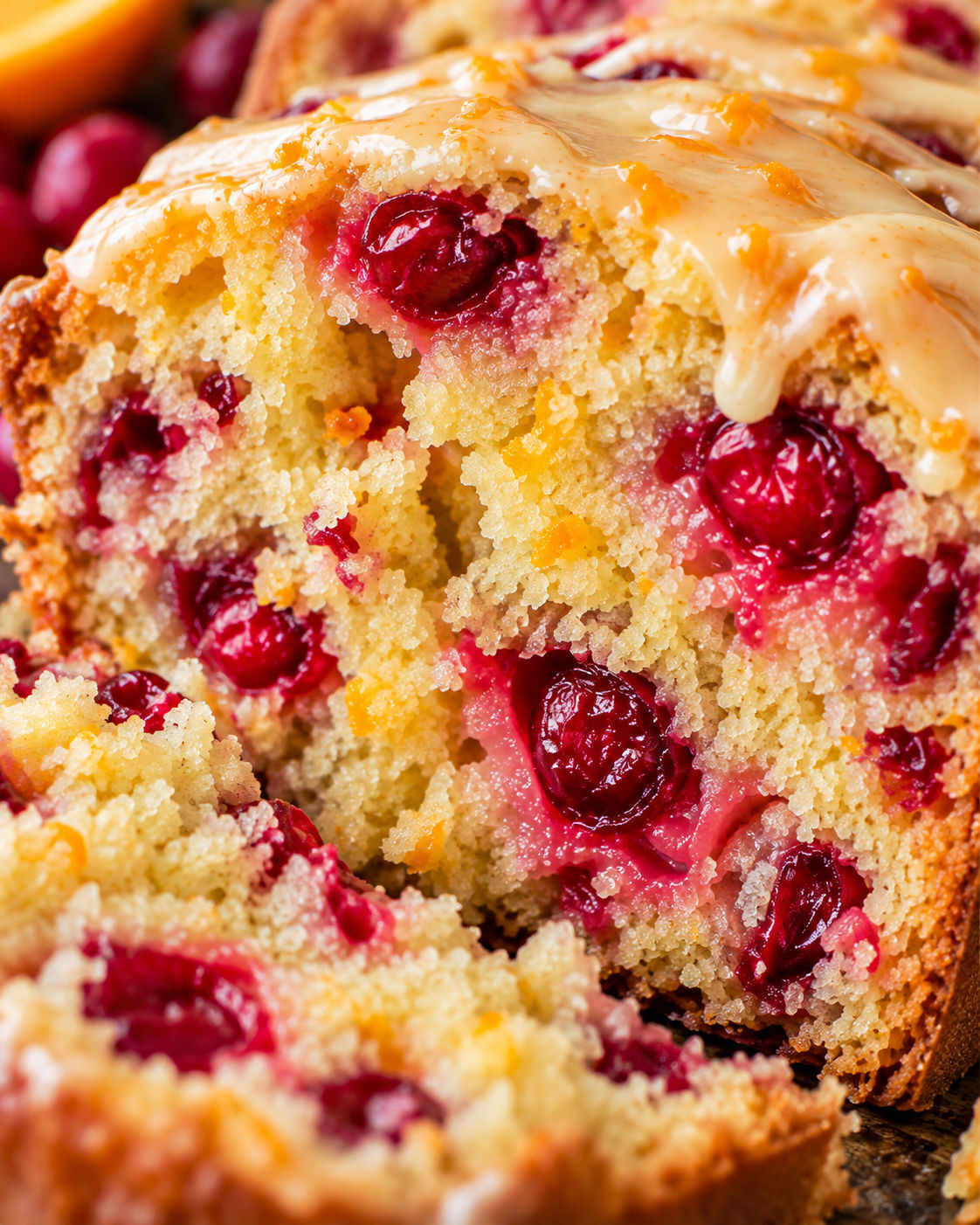
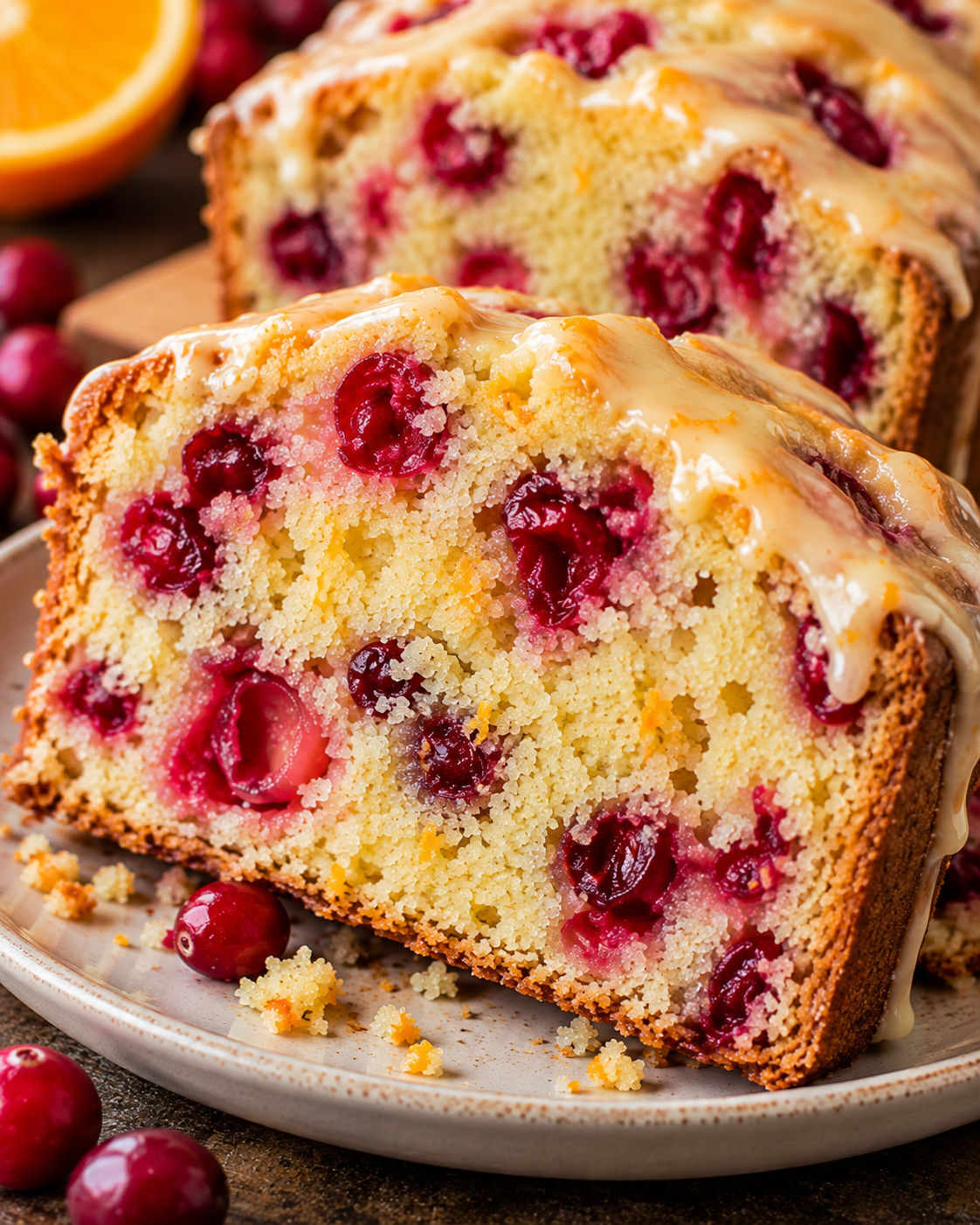
The completed loaf can be presented whole, sliced thickly, or divided into smaller loaves for gifting. Its appearance comes from the contrast between the golden bread, the cranberries inside, and the pale orange glaze across the top. The glaze may be left in visible drizzles so the surface remains easy to see when the loaf is sliced.
This cranberry orange bread also offers several ways to adjust the format without changing its central character. Fresh cranberries may be replaced with frozen cranberries, dried cranberries may be prepared for another version, and the batter may be divided among three mini loaf pans. Nuts can also be included for a cranberry nut bread variation.
Ingredients
-
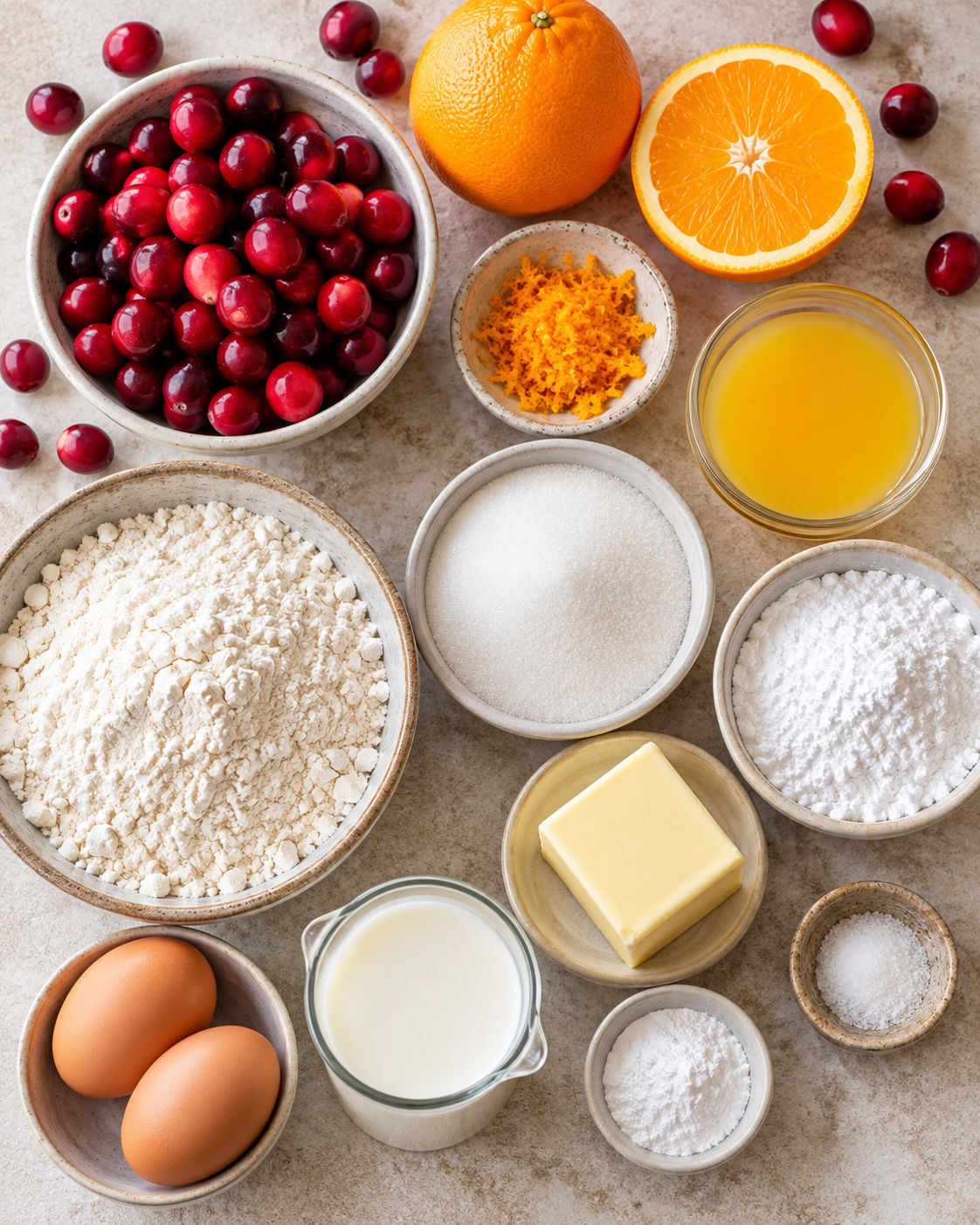
1 1/2 cups all-purpose flour
-
1 teaspoon baking powder
-
1/4 teaspoon salt
-
1/4 cup milk
-
Orange zest, divided between the batter and glaze
-
1/4 cup freshly squeezed orange juice
-
6 tablespoons unsalted butter
-
3/4 cup granulated sugar
-
2 large eggs
-
1 1/2 cups fresh cranberries
-
1/2 tablespoon all-purpose flour for coating the cranberries
-
1 cup powdered sugar
-
1 1/2 tablespoons freshly squeezed orange juice for the glaze, or enough to create a drizzle
-
1 teaspoon reserved orange zest for the glaze
-
Butter for preparing the loaf pan
-
Flour for dusting the loaf pan
The orange zest is divided so that some flavors the bread and some finishes the glaze. Zest the orange before squeezing it, then reserve the portion intended for the topping. Keeping the two portions separate makes the glaze easier to finish after the loaf has cooled.
The cranberries should be ready to fold into the batter after they have been coated with the additional flour. The coating is a small quantity, but it belongs in the preparation rather than in the main dry mixture. The powdered sugar, orange juice, and reserved zest are held back for the final glaze.
A 6-cup loaf pan measuring 8 1/2 by 4 1/2 inches is used for the full loaf. Butter and flour prepare the pan before the batter is added. The same ingredient list can be adapted for three mini loaf pans when a smaller presentation is wanted.
How to Make It
-
Heat the oven to 350°F. Butter the loaf pan, dust it with flour, and remove any loose excess flour.
-
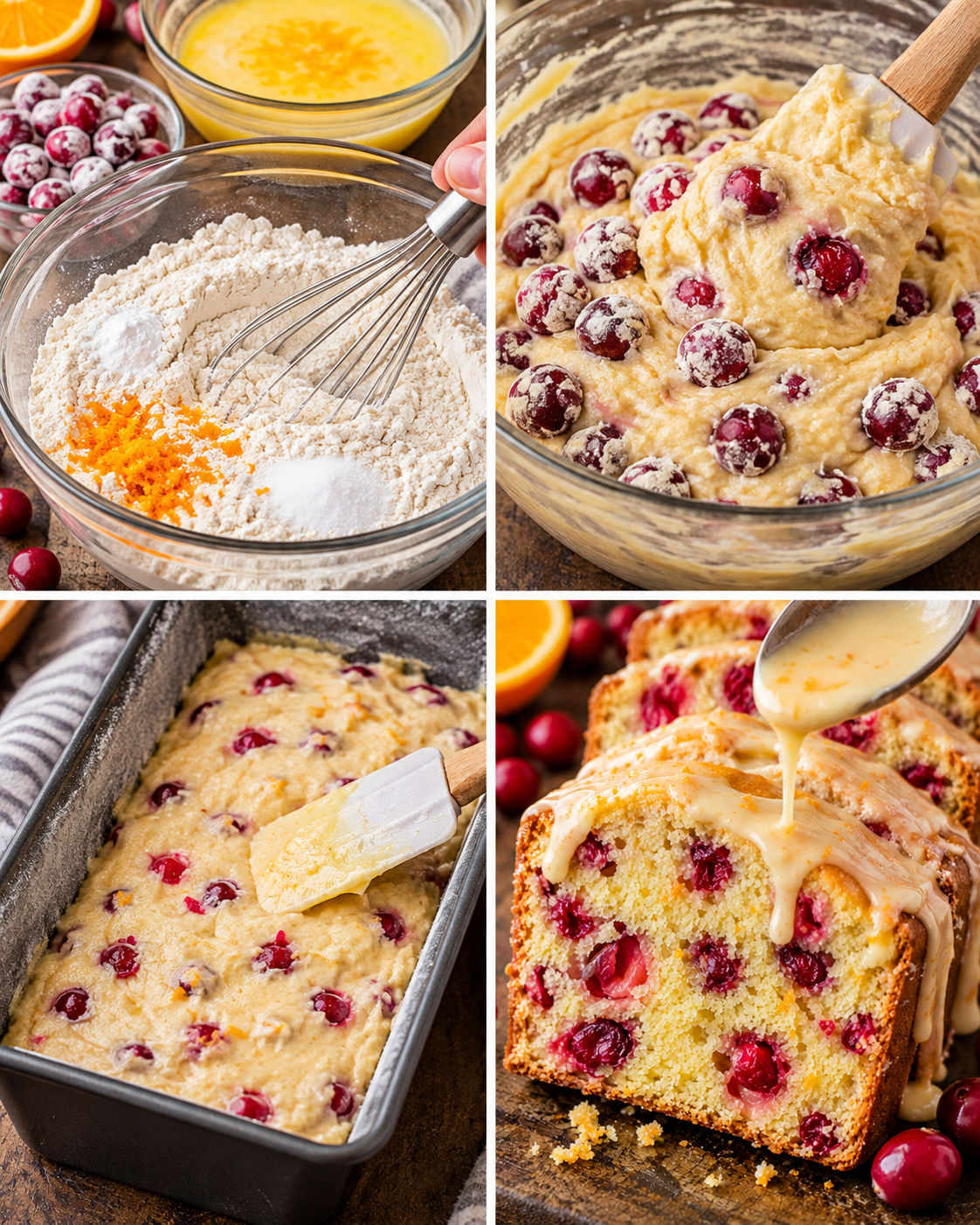
Whisk the all-purpose flour, baking powder, and salt together in a bowl. This creates the dry mixture that will be added to the batter in portions.
-
Combine the milk, freshly squeezed orange juice, and the portion of orange zest intended for the bread in a separate measuring cup or small bowl. Keep the reserved zest apart for the glaze.
-
Beat the softened unsalted butter with the granulated sugar in a large bowl until the two ingredients are combined. Add the eggs and continue mixing until they are incorporated.
-
Add part of the dry mixture to the butter mixture, then add part of the liquid mixture. Continue alternating the dry and liquid mixtures until both are incorporated. Mix only until the batter comes together, scraping the bowl when needed.
-
Place the fresh cranberries in a small bowl and toss them with the additional flour. Fold the coated cranberries into the batter gently, stopping when the berries are spread through the mixture.
-
Transfer the batter to the prepared loaf pan. Spread it into an even layer so the surface is ready for baking.
-
Bake the loaf until it is golden and a toothpick inserted in the center comes out clean. The full loaf generally requires 45 to 50 minutes in the oven, but the center remains the deciding point.
-
Leave the baked bread in the pan for 10 to 15 minutes. Run a knife around the edges, then turn the loaf out onto a wire rack and allow it to cool completely.
-
Stir the powdered sugar, glaze orange juice, and reserved orange zest together in a separate bowl. Continue stirring until the mixture is smooth and loose enough to drizzle. Add more orange juice if the glaze is too thick, or add more powdered sugar if it is too thin.
-
Drizzle the finished glaze over the completely cooled loaf. Let the topping settle before cutting the bread into slices.
The order of the mixing steps matters because the batter uses two separate mixtures. The flour, baking powder, and salt are combined apart from the milk, orange juice, and zest. The alternating additions bring those mixtures together with the butter, sugar, and eggs without requiring the batter to be mixed beyond the point of incorporation.
The cranberries should be folded rather than beaten into the batter. Gentle folding keeps the berries present throughout the mixture and avoids treating them as part of the liquid or dry ingredients. Once the loaf pan is filled, smoothing the top creates an even starting surface for the bake.
Cooling is part of the finishing process. The bread first rests in its pan, then moves to a wire rack, and finally receives the glaze after it is fully cooled. The glaze is intended to remain on the outside of the loaf, where its powdered sugar, orange juice, and zest create the visible topping.
Toppings and Serving
The orange glaze gives the loaf its finished appearance and adds a second layer of citrus flavor. Powdered sugar forms the base, freshly squeezed orange juice makes the mixture fluid, and the reserved orange zest adds orange flavor to the topping. The desired texture is smooth enough to move from a spoon in a drizzle rather than sit as a stiff paste.
The glaze can be spread across the top in narrow lines or allowed to cover a wider area. Either approach leaves the loaf recognizable as a cranberry bread while showing the contrast between the glaze and the golden surface. The topping should be added only after the bread has cooled completely.
A thick slice can be served with tea or coffee. The bread also works as a breakfast or dessert serving, so it can be arranged for either part of the day without changing the preparation. Slicing reveals the cranberries in the tender crumb and allows each piece to carry some of the orange topping.
For gifting, the loaf can be cooled, glazed, and wrapped for presentation. Three mini loaves provide smaller individual portions when a full loaf is not the preferred format. The same glaze can be used on the mini versions after they have cooled completely.
The topping is the only finishing mixture required for the loaf. No additional garnish is needed to present the bread. Keeping the surface to the listed glaze preserves the orange flavor and makes the cranberries inside the loaf the main visual detail after slicing.
When serving a whole loaf, place it on a serving surface and drizzle the glaze across the top before cutting. When serving slices, a thick cut shows both the crumb and the fruit. The combination of sweet glaze and tart cranberries gives the bread a clear contrast without requiring a separate spread or topping.
Variations
Frozen cranberries can replace fresh cranberries. Add them while they are still frozen rather than thawing them, and allow a few additional minutes in the oven. This version keeps the cranberry element while changing only the condition of the fruit before it is folded into the batter.
Dried cranberries can replace the fresh berries as well. Use 2/3 cup dried cranberries, soak them in very warm water for 10 minutes, then drain and pat them dry before adding them. Reduce the granulated sugar to 2/3 cup for this version. The adjusted quantity and sugar change keep the variation distinct from the fresh cranberry loaf.
The batter can be divided evenly among three mini loaf pans measuring 5 1/2 by 3 inches. Fill each pan between one-half and two-thirds full. Bake the mini loaves for 22 to 28 minutes, checking the centers with a toothpick. Let them cool in their pans for a short rest, move them to a wire rack, and apply the glaze only after they have cooled completely.
Nuts may be added to create a cranberry nut bread. The cranberry batter and orange glaze remain the foundation, while the nuts introduce another texture. Keep the cranberries coated with flour before folding them into the mixture so the fruit preparation remains the same.
The full loaf and the mini loaves offer two different serving formats. A single loaf creates larger slices for a breakfast or dessert table, while the smaller pans create individual gifts or portions. Both formats use the orange glaze as the finishing element.
A variation should preserve the central pairing of cranberries and orange. Frozen cranberries maintain the fresh-fruit direction, dried cranberries create a different fruit texture with a reduced sugar quantity, and nuts change the texture without replacing the principal flavors. The choice can therefore be based on the available cranberries, the preferred loaf size, or the desired bite.
When making the mini format, divide the batter as evenly as possible among the pans so the loaves finish together. Leave room for the batter to bake within each pan rather than filling them to the top. Once cooled, the smaller loaves can receive a separate drizzle of the same smooth glaze.
Storage and Make-Ahead
At room temperature, wrap the loaf loosely or place it in an airtight container. It can be kept this way for up to 3 days. The glaze may remain on the bread while it is covered for serving or gifting.
For longer storage, cover the loaf and refrigerate it for up to a week. This makes it possible to prepare the bread ahead of the planned serving. Keep the loaf covered so the bread and glaze remain together as one finished item.
For freezing, cool the bread completely before placing it in a freezer-safe zip bag. Remove excess air before sealing the bag. The loaf can remain frozen for up to three months, then thaw in the refrigerator overnight before serving.
The mini loaves can be handled in the same way as the full loaf. Cool them completely, add the glaze, and cover them before storing or packaging. When the bread is intended as a homemade Christmas gift, complete the cooling and glazing steps before wrapping it.
Make-ahead preparation works best when the finished bread is allowed to cool before its container or bag is closed. The glaze should be on the loaf before storage when a ready-to-serve presentation is wanted. For a plain loaf that will be finished later, the bread can still be cooled and covered before the topping is added, provided the glaze is prepared before serving.
FAQ
What gives this bread its orange flavor?
Orange zest and freshly squeezed orange juice are used in the bread, and reserved orange zest is combined with orange juice and powdered sugar for the glaze. The citrus appears in both the loaf and its topping.
Why are the cranberries coated with flour?
The fresh cranberries are tossed with a small amount of all-purpose flour before being folded into the batter. This keeps the fruit preparation separate from the main dry mixture and helps the cranberries remain distributed through the loaf.
Can frozen cranberries be used?
Yes. Use them without thawing and allow additional baking time. They provide the cranberry component while allowing the loaf to be made when fresh berries are not being used.
Can dried cranberries replace fresh cranberries?
Yes. Use 2/3 cup dried cranberries, soak them in very warm water, drain and dry them, and reduce the granulated sugar to 2/3 cup. The prepared dried fruit then replaces the fresh cranberries in the batter.
Can the bread be made as mini loaves?
Yes. Divide the batter among three 5 1/2-by-3-inch mini loaf pans, filling each between one-half and two-thirds full. Bake until the centers test clean, cool the loaves, and add the glaze after cooling.
How should the glaze be adjusted?
Stir the powdered sugar, orange juice, and reserved orange zest until smooth. Add more orange juice when the mixture is too thick to drizzle. Add more powdered sugar when the mixture is too loose.
When should the glaze be added?
Add it after the loaf has cooled completely. This keeps the topping on the surface and allows the finished bread to be sliced after the drizzle has settled.
Can nuts be added?
Yes. Nuts may be added for a cranberry nut bread variation. The cranberries are still coated with flour before they are folded into the batter, and the orange glaze remains the finishing topping.
Can the loaf be prepared as a gift?
Yes. The bread can be made as one loaf or divided among the mini pans. Cool it completely, add the glaze, and cover or wrap it for homemade Christmas gifting.
How long can the bread be frozen?
The cooled loaf can be placed in a freezer-safe zip bag and frozen for up to three months. Thaw it in the refrigerator overnight before serving.
More in Uncategorized
Apple Crumble Cheesecake
Pumpkin Cheesecake Bars
No-Bake Pumpkin Pie